
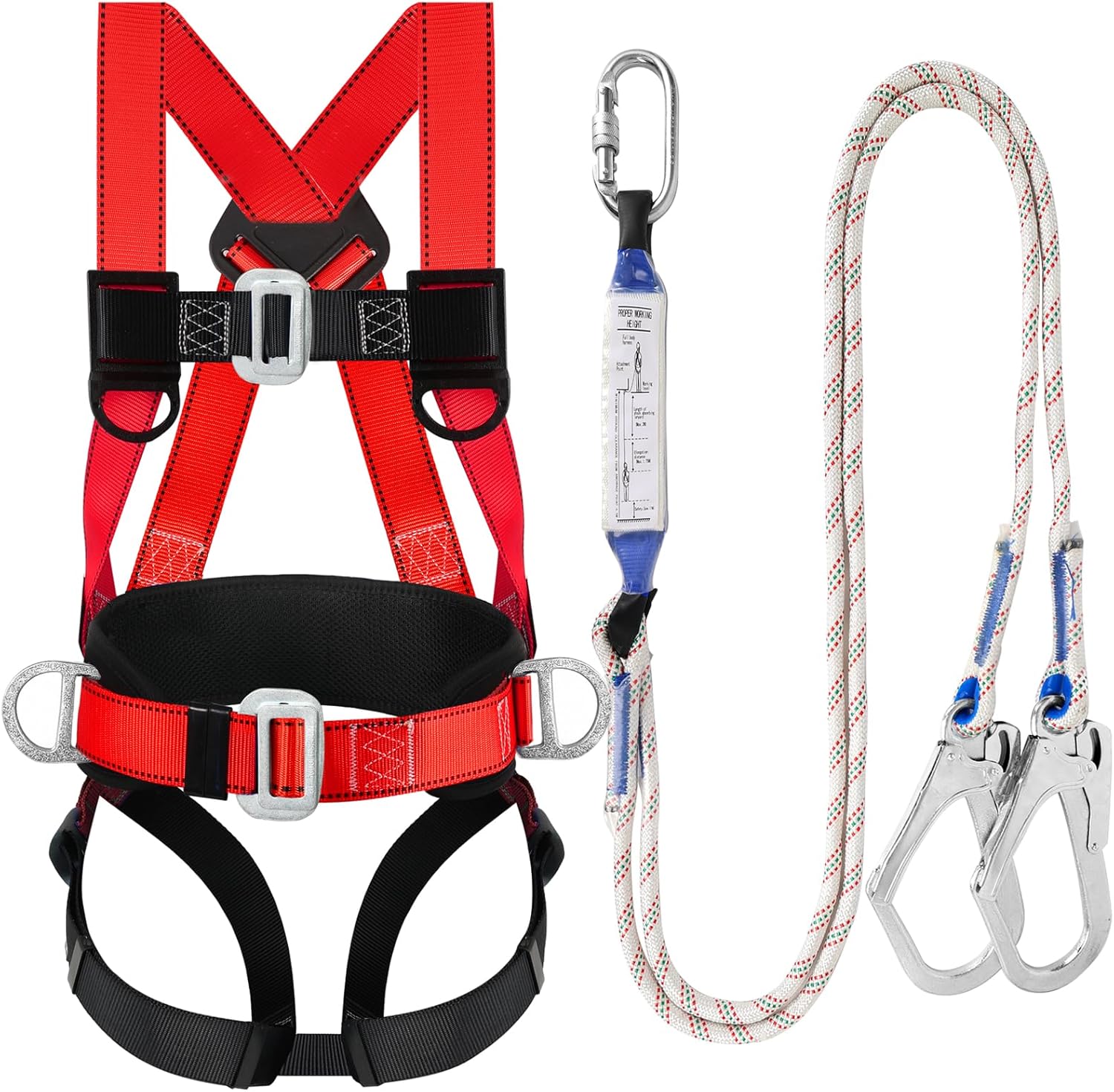
The Importance of Using a Full Body Harness with Lanyard
In various industries such as construction, maintenance, and rescue operations, working at heights is a common occurrence. Ensuring the safety of workers in these environments is paramount, and one essential piece of equipment that plays a crucial role in fall protection is the full body harness with lanyard.
A full body harness is designed to distribute the force of a fall across the wearer’s body to reduce the risk of injury. When used in conjunction with a lanyard – a flexible line that connects the harness to an anchor point – it provides additional protection by limiting the distance a worker can fall.
One key benefit of using a full body harness with lanyard is that it allows for hands-free operation while working at heights. This not only improves productivity but also reduces the risk of accidents caused by distractions or loss of balance.
Furthermore, modern full body harnesses are ergonomically designed for comfort and ease of movement, ensuring that workers can perform their tasks efficiently without feeling restricted or uncomfortable.
It is important to note that proper training on how to properly wear and use a full body harness with lanyard is essential. Workers should be educated on inspection procedures, correct fitting techniques, and safe practices while working at heights.
In conclusion, investing in high-quality full body harnesses with lanyards is an investment in workplace safety. By providing workers with the necessary equipment and training, employers can create a secure environment where employees can carry out their duties confidently and safely.
Essential Tips for Safely Using a Full Body Harness with Lanyard
- Always ensure the full body harness is properly fitted and adjusted to your body.
- Inspect the harness and lanyard before each use for any signs of wear or damage.
- Choose a harness with appropriate weight and size specifications for your body.
- Make sure the lanyard is securely attached to a reliable anchor point before use.
- Regularly clean and maintain your harness according to manufacturer’s instructions.
- Attend proper training on how to correctly use the full body harness and lanyard.
- Replace the harness and lanyard if they have been involved in a fall or show any signs of deterioration.
Always ensure the full body harness is properly fitted and adjusted to your body.
It is crucial to always ensure that the full body harness is properly fitted and adjusted to your body when using it in any work at height scenario. A correctly fitted harness not only enhances comfort and freedom of movement but also plays a vital role in ensuring effective fall protection. By taking the time to adjust the harness to fit snugly and securely, you can significantly reduce the risk of injury in the event of a fall. Prioritising proper fitting and adjustment of the full body harness demonstrates a commitment to safety and underscores the importance of following best practices for working safely at heights.
Inspect the harness and lanyard before each use for any signs of wear or damage.
Before each use, it is crucial to inspect the full body harness and lanyard for any signs of wear or damage. This simple yet vital tip ensures that the equipment is in proper working condition and can effectively protect the wearer in the event of a fall. By conducting a thorough inspection, potential issues can be identified and addressed promptly, reducing the risk of accidents or injuries while working at heights. Regular checks help maintain the integrity of the harness and lanyard, promoting a safe working environment for all individuals involved in tasks that require fall protection.
Choose a harness with appropriate weight and size specifications for your body.
When selecting a full body harness with a lanyard, it is crucial to choose one that aligns with your body’s weight and size specifications. Opting for a harness that fits you correctly ensures maximum comfort and safety while working at heights. An ill-fitting harness may not provide the necessary support in the event of a fall, putting you at risk of injury. By carefully considering the weight and size requirements of the harness, you can enhance your overall safety and work with confidence knowing that you are equipped with the right gear for the job.
Make sure the lanyard is securely attached to a reliable anchor point before use.
Before using a full body harness with a lanyard, it is crucial to ensure that the lanyard is securely attached to a dependable anchor point. The strength and stability of the anchor point play a vital role in fall protection, as it is the connection that holds the entire system in place. By verifying the security of the attachment before use, workers can significantly reduce the risk of accidents and work confidently knowing that they are properly secured while working at heights.
Regularly clean and maintain your harness according to manufacturer’s instructions.
It is crucial to regularly clean and maintain your full body harness with lanyard according to the manufacturer’s instructions. Proper maintenance ensures that the equipment remains in optimal condition, reducing the risk of wear and tear that could compromise its effectiveness in the event of a fall. By following the recommended cleaning and maintenance procedures, you can prolong the lifespan of your harness and lanyard, as well as ensure that they continue to provide reliable fall protection when needed.
Attend proper training on how to correctly use the full body harness and lanyard.
Attending proper training on how to correctly use the full body harness and lanyard is crucial for ensuring workplace safety when working at heights. By participating in training sessions, workers can learn the correct techniques for inspecting, fitting, and using the equipment effectively. This knowledge not only reduces the risk of accidents but also instils confidence in workers as they carry out their tasks. Investing time in training demonstrates a commitment to prioritising safety and equips individuals with the skills needed to navigate potential hazards with caution and expertise.
Replace the harness and lanyard if they have been involved in a fall or show any signs of deterioration.
It is crucial to adhere to the safety recommendation of replacing the full body harness and lanyard if they have been subjected to a fall or exhibit any signs of wear and tear. Following a fall, the integrity of the equipment may have been compromised, potentially reducing its effectiveness in protecting against future incidents. Additionally, visible signs of deterioration such as fraying, cuts, or damaged buckles indicate that the equipment may no longer be reliable for use. Prioritising the regular inspection and timely replacement of harnesses and lanyards is essential in maintaining a safe working environment and ensuring the continued protection of workers at height.