
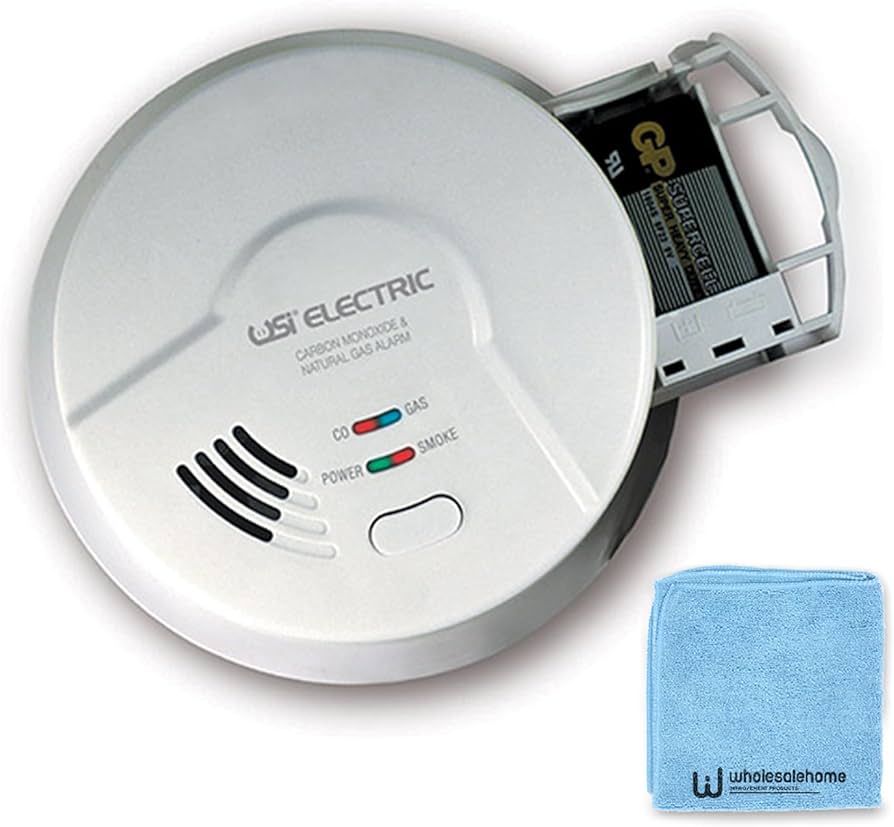
The Importance of Carbon Monoxide and Natural Gas Alarms
Carbon monoxide (CO) and natural gas are invisible threats that can pose serious risks to our health and safety. These odourless, colourless gases can leak into our homes from faulty appliances or improper ventilation, leading to potential poisoning or even explosions.
Installing carbon monoxide and natural gas alarms in our homes is crucial for early detection and prevention of these dangers. These alarms are designed to alert us at the first sign of a gas leak or high levels of carbon monoxide in the air, giving us valuable time to evacuate and seek help.
Carbon monoxide is often referred to as the “silent killer” because it is virtually undetectable without a proper alarm system. Exposure to high levels of CO can lead to symptoms such as headaches, dizziness, nausea, confusion, and even death. A carbon monoxide alarm can be a lifesaving device in detecting this deadly gas before it’s too late.
Similarly, natural gas leaks can be extremely hazardous due to the risk of explosions or fires. Natural gas alarms are equipped with sensors that can detect even small traces of gas in the air, triggering an alarm to warn occupants of the potential danger.
It is important to regularly test and maintain your carbon monoxide and natural gas alarms to ensure they are functioning properly. Replace batteries as needed and follow manufacturer’s guidelines for installation and maintenance.
By investing in quality carbon monoxide and natural gas alarms for your home, you are taking a proactive step towards safeguarding your family’s health and well-being. Don’t wait until it’s too late – protect yourself and your loved ones today.
Essential FAQs About Carbon Monoxide and Natural Gas Alarms: Safety, Installation, and Maintenance
- What is carbon monoxide and why is it dangerous?
- How does a carbon monoxide alarm work?
- What are the symptoms of carbon monoxide poisoning?
- Why is it important to have a natural gas alarm?
- Do I need both a carbon monoxide alarm and a natural gas alarm?
- Where should I install carbon monoxide and natural gas alarms in my home?
- How often should I test and replace the batteries in my alarms?
What is carbon monoxide and why is it dangerous?
Carbon monoxide is a colourless, odourless gas that is produced by the incomplete combustion of fuels such as gas, oil, wood, and coal. It is dangerous because when inhaled, carbon monoxide can bind to haemoglobin in our blood more easily than oxygen does, leading to a reduction in the amount of oxygen that can be transported around the body. This lack of oxygen can result in symptoms such as headaches, dizziness, nausea, confusion, and in severe cases, can be fatal. Due to its undetectable nature without proper monitoring equipment like alarms, carbon monoxide is often referred to as the “silent killer”, highlighting the importance of having carbon monoxide alarms installed in homes and other enclosed spaces to detect its presence early and prevent potential harm.
How does a carbon monoxide alarm work?
A carbon monoxide alarm works by continuously monitoring the air for the presence of carbon monoxide gas. Inside the alarm, there are sensors that can detect even trace amounts of CO in the air. When carbon monoxide is detected, the alarm will emit a loud sound to alert occupants of the potential danger. This early warning system is crucial in providing enough time for people to evacuate and seek help before CO levels reach harmful concentrations. Regular testing and maintenance of carbon monoxide alarms are essential to ensure they are functioning properly and providing reliable protection against this silent but deadly gas.
What are the symptoms of carbon monoxide poisoning?
Carbon monoxide poisoning can have subtle yet dangerous symptoms that are often mistaken for other common ailments. Early signs of carbon monoxide poisoning include headaches, dizziness, nausea, fatigue, and confusion. As exposure to carbon monoxide continues, symptoms may escalate to include chest pain, shortness of breath, and impaired coordination. In severe cases, carbon monoxide poisoning can lead to loss of consciousness and even death. It is crucial to be aware of these symptoms and seek immediate medical attention if you suspect carbon monoxide exposure. Installing a carbon monoxide alarm in your home can provide an early warning system to help prevent the onset of these harmful effects.
Why is it important to have a natural gas alarm?
Having a natural gas alarm is essential for ensuring the safety of your household. Natural gas is a highly flammable substance that, when leaked, can lead to devastating consequences such as fires or explosions. A natural gas alarm serves as an early warning system, detecting even the smallest traces of gas in the air and alerting occupants to potential dangers. By having a natural gas alarm installed in your home, you are taking a proactive step towards preventing accidents and protecting your loved ones from the risks associated with natural gas leaks.
Do I need both a carbon monoxide alarm and a natural gas alarm?
It is recommended to have both a carbon monoxide alarm and a natural gas alarm in your home for comprehensive safety measures. While a carbon monoxide alarm specifically detects the presence of deadly CO gas, a natural gas alarm is designed to alert you to any leaks of combustible natural gas, which can pose explosion and fire risks. By having both types of alarms installed, you can ensure early detection of these invisible threats and take prompt action to protect yourself and your household from potential dangers associated with carbon monoxide and natural gas exposure.
Where should I install carbon monoxide and natural gas alarms in my home?
When it comes to installing carbon monoxide and natural gas alarms in your home, proper placement is key to ensuring maximum effectiveness. For carbon monoxide alarms, it is recommended to install one on each level of your home, including the basement and near sleeping areas. Avoid placing them near windows, doors, or vents where fresh air could dilute the gas levels. As for natural gas alarms, they should be installed near potential sources of gas leaks such as gas appliances, water heaters, furnaces, or in utility rooms. It’s important to follow manufacturer’s instructions for optimal placement to provide early detection and protection for you and your family.
How often should I test and replace the batteries in my alarms?
Testing and replacing the batteries in your carbon monoxide and natural gas alarms is crucial for ensuring their effectiveness in detecting potential dangers. It is recommended to test your alarms at least once a month by pressing the test button to confirm that they are functioning correctly. Additionally, batteries should be replaced according to the manufacturer’s instructions, typically every 6 months to 1 year, or when the low battery alert sounds. Regular maintenance of your alarms will help provide continuous protection for you and your family against the silent threats of carbon monoxide and natural gas.