
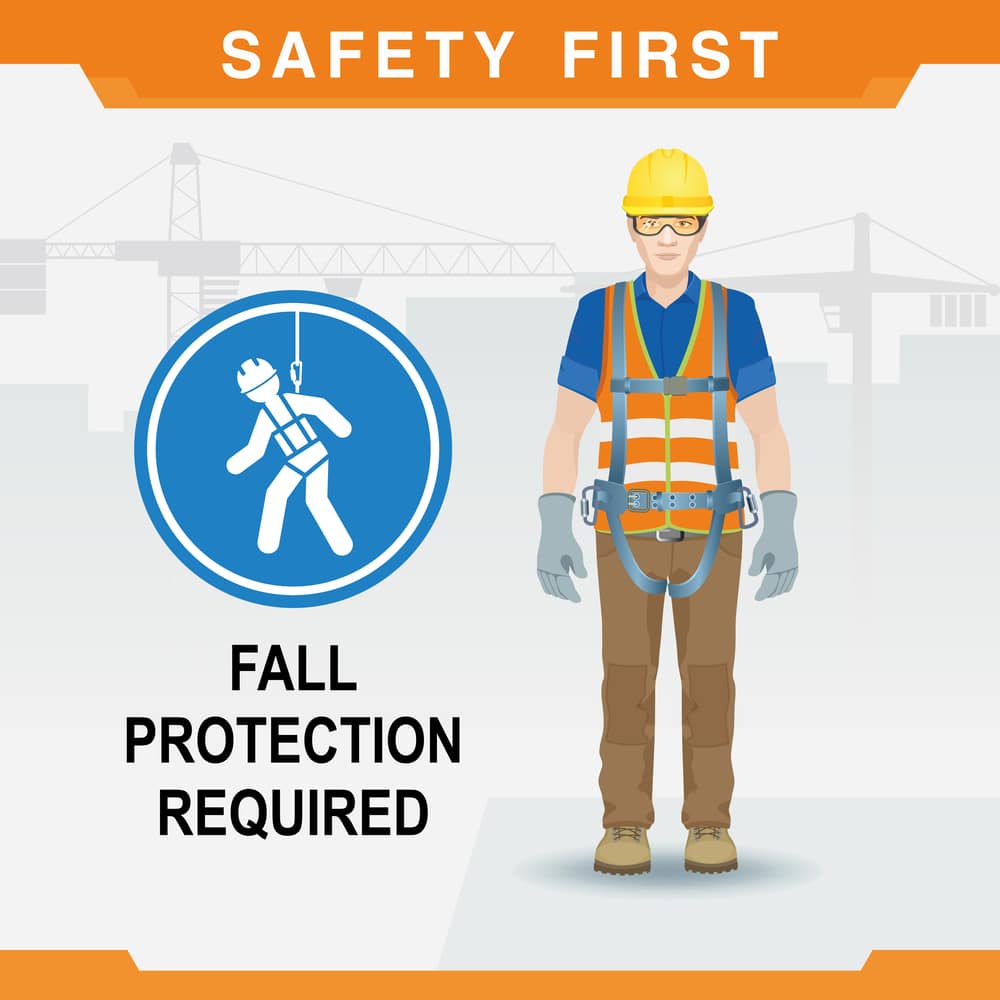
The Importance of Personal Fall Arrest Systems
A personal fall arrest system is a crucial piece of equipment designed to protect workers who perform tasks at heights. Whether working on construction sites, maintenance projects, or other elevated areas, the use of a personal fall arrest system can mean the difference between life and death in the event of a fall.
Consisting of key components such as a full-body harness, lanyard, and anchor point, a personal fall arrest system is designed to safely arrest a worker’s fall and prevent them from hitting the ground or lower levels. By distributing the impact force across the body and stopping the fall within inches, these systems significantly reduce the risk of serious injury or fatality.
Employers have a legal duty to provide adequate fall protection for workers at height, and personal fall arrest systems are often a fundamental part of this safety measure. Regular training on how to properly inspect, wear, and use these systems is essential to ensure their effectiveness in an emergency.
It’s important for workers to understand that wearing a personal fall arrest system is not just about compliance with regulations; it’s about their own safety and well-being. By taking the necessary precautions and using this equipment correctly, workers can confidently carry out their tasks at height with reduced risk.
In conclusion, personal fall arrest systems play a critical role in ensuring the safety of workers who perform tasks at heights. Employers must provide proper training and equipment to protect their employees from falls, while workers must actively participate in using these systems correctly. Together, we can create safer work environments and prevent unnecessary accidents.
8 Key Benefits of Personal Fall Arrest Systems: Ensuring Safety and Compliance at Height
- Provides crucial protection for workers at height
- Reduces the risk of serious injuries or fatalities in case of a fall
- Distributes impact force across the body to minimise injury
- Helps employers comply with legal requirements for fall protection
- Boosts worker confidence when working at elevated areas
- Promotes a safety-conscious work culture
- Easy to use and maintain with proper training
- Versatile and adaptable to different working environments
Challenges and Limitations of Personal Fall Arrest Systems at Heights
- Restricts freedom of movement while working at heights
- Requires regular inspection and maintenance to ensure effectiveness
- May cause discomfort or chafing when worn for extended periods
- Can be cumbersome to put on and adjust, especially in tight spaces
- Inappropriate use or improper fitting can reduce effectiveness and increase risk of injury
Provides crucial protection for workers at height
The provision of a personal fall arrest system offers vital protection for workers who perform tasks at height. By effectively arresting falls and preventing individuals from hitting the ground or lower levels, this safety measure significantly reduces the risk of serious injuries or fatalities. Ensuring that workers have access to and correctly use personal fall arrest systems is essential in safeguarding their well-being and creating a safer work environment overall.
Reduces the risk of serious injuries or fatalities in case of a fall
One significant advantage of using a personal fall arrest system is its ability to decrease the likelihood of severe injuries or fatalities in the event of a fall. By swiftly arresting a worker’s descent and dispersing the impact force across the body, these systems serve as a crucial safety measure that can prevent tragic outcomes when working at heights. Ensuring that workers are properly equipped with personal fall arrest systems not only complies with safety regulations but also prioritises their well-being by significantly reducing the risks associated with falls.
Distributes impact force across the body to minimise injury
One significant advantage of a personal fall arrest system is its ability to distribute the impact force across the body, thereby minimising the risk of serious injury in the event of a fall. By spreading the force evenly, this proactively designed system helps to reduce the strain on any single part of the body, increasing the chances of preventing severe harm and ensuring a safer working environment for individuals at height.
Helps employers comply with legal requirements for fall protection
Implementing personal fall arrest systems in the workplace helps employers comply with legal requirements for fall protection. By providing and ensuring the proper use of these systems, employers demonstrate their commitment to creating a safe working environment that meets regulatory standards. This proactive approach not only safeguards employees from potential falls but also minimises the risk of legal liabilities and penalties associated with non-compliance. Prioritising the use of personal fall arrest systems not only protects workers but also contributes to a culture of safety and responsibility within the organisation.
Boosts worker confidence when working at elevated areas
The implementation of personal fall arrest systems significantly boosts worker confidence when carrying out tasks at elevated areas. Knowing that they are equipped with reliable safety measures in case of a fall provides workers with a sense of security and assurance. This increased confidence allows workers to focus on their job more effectively, leading to improved productivity and reduced stress levels. Ultimately, the presence of personal fall arrest systems creates a safer and more conducive work environment for employees working at heights.
Promotes a safety-conscious work culture
The use of personal fall arrest systems promotes a safety-conscious work culture by instilling a mindset of prioritising safety in all tasks and activities. When employees see that their organisation invests in and enforces the use of these systems, they are more likely to understand the importance of workplace safety. This proactive approach not only reduces the risk of falls and injuries but also fosters a culture where everyone feels responsible for their own safety and that of their colleagues. By integrating personal fall arrest systems into daily work practices, companies demonstrate their commitment to creating a secure environment where employees can perform their duties with confidence and peace of mind.
Easy to use and maintain with proper training
When equipped with the necessary training, personal fall arrest systems prove to be user-friendly and straightforward to maintain. With proper instruction on how to inspect, wear, and utilise these systems effectively, workers can confidently navigate their tasks at height. The simplicity of use coupled with regular maintenance checks ensures that the equipment remains in optimal condition, ready to provide reliable fall protection when needed. This ease of use and upkeep, supported by adequate training, contributes significantly to the overall safety and well-being of workers operating in elevated environments.
Versatile and adaptable to different working environments
Personal fall arrest systems offer a significant advantage in their versatility and adaptability to various working environments. Whether workers are operating on construction sites, industrial facilities, or utility poles, these systems can be easily adjusted and configured to suit different heights and structures. This flexibility ensures that workers can stay protected and secure regardless of the specific challenges posed by their work environment. By being versatile and adaptable, personal fall arrest systems provide a reliable safety solution that can be effectively utilised across a wide range of industries and settings.
Restricts freedom of movement while working at heights
One notable drawback of personal fall arrest systems is that they can restrict the freedom of movement for workers performing tasks at heights. The additional weight and bulkiness of the equipment, such as the harness and lanyard, may limit the range of motion and agility of the worker, potentially hindering their ability to work efficiently and comfortably. This restriction can be frustrating for workers who need to navigate around obstacles or perform intricate tasks while being tethered to a fixed anchor point. Employers and safety professionals must consider this limitation when implementing fall protection measures to ensure that workers can balance safety with practicality and productivity.
Requires regular inspection and maintenance to ensure effectiveness
One significant drawback of personal fall arrest systems is that they require regular inspection and maintenance to ensure their effectiveness. This ongoing need for monitoring and upkeep can be time-consuming and resource-intensive for employers and workers alike. Neglecting proper maintenance procedures can compromise the system’s ability to protect against falls, putting individuals at risk of serious injury or worse in the event of an accident. Therefore, consistent attention to the condition of personal fall arrest systems is crucial to maintaining a safe working environment at heights.
May cause discomfort or chafing when worn for extended periods
One drawback of personal fall arrest systems is that they may cause discomfort or chafing when worn for extended periods. The straps and harnesses of these systems can rub against the skin, leading to irritation and discomfort, especially if worn for long durations. This issue can potentially distract workers and affect their focus on the task at hand, highlighting the importance of ensuring proper fit and adjustment of the equipment to minimise any discomfort experienced during use.
Can be cumbersome to put on and adjust, especially in tight spaces
One drawback of personal fall arrest systems is their potential to be cumbersome to put on and adjust, particularly in confined or tight spaces. The process of donning a full-body harness, securing the lanyard, and finding a suitable anchor point can be time-consuming and challenging, especially when working in areas with limited mobility. This inconvenience may discourage some workers from wearing the equipment properly or lead to improper fitting, compromising the effectiveness of the system in case of a fall. Adequate training and practice are essential to ensure that workers can overcome these challenges and use personal fall arrest systems correctly even in challenging environments.
Inappropriate use or improper fitting can reduce effectiveness and increase risk of injury
Inappropriate use or improper fitting of a personal fall arrest system can significantly compromise its effectiveness and heighten the risk of injury for workers at heights. If the equipment is not worn or adjusted correctly, it may fail to function as intended during a fall incident, leading to serious consequences. Workers must receive thorough training on how to properly don and adjust their personal fall arrest systems to ensure optimal performance and maximum safety. Failure to adhere to proper usage guidelines can undermine the protective capabilities of these systems, putting individuals at greater risk of harm in hazardous work environments.