
The Importance of Personal Fall Restraint Systems
Personal fall restraint systems are essential safety equipment designed to prevent workers from falling while working at heights. Whether it’s on construction sites, rooftops, or industrial settings, the risk of falls is a significant concern that must be addressed with proper safety measures.
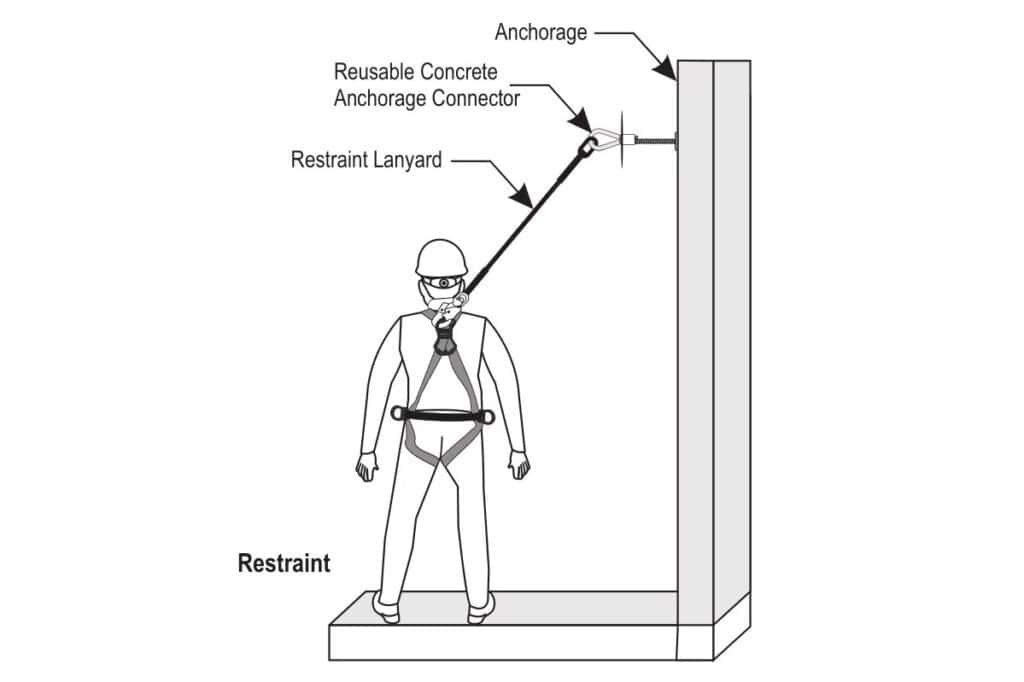
These systems typically consist of a harness worn by the worker, connected to an anchor point via a lanyard or lifeline. In the event of a fall, the system is designed to limit the distance the worker can fall and prevent them from hitting the ground or other lower levels.
By using personal fall restraint systems, workers can perform their tasks at elevated heights with greater peace of mind and reduced risk of serious injury or fatality. Employers have a legal obligation to provide a safe working environment for their employees, and implementing fall restraint systems is a crucial part of ensuring workplace safety.
Training on how to properly use and inspect personal fall restraint systems is also vital. Workers should be educated on how to correctly fit and adjust their harnesses, as well as how to identify any signs of wear or damage that may compromise the system’s effectiveness.
In conclusion, personal fall restraint systems play a crucial role in protecting workers from falls and ensuring their safety while working at heights. By investing in quality equipment, providing thorough training, and enforcing proper usage guidelines, employers can create a safer work environment for everyone involved.
Essential FAQs on Personal Fall Restraint Systems: Understanding Usage, Components, Maintenance, and Training
- 1. What is a personal fall restraint system?
- 2. How does a personal fall restraint system work?
- 3. When should a personal fall restraint system be used?
- 4. What are the components of a personal fall restraint system?
- 5. How should a personal fall restraint system be inspected and maintained?
- 6. What training is required for using a personal fall restraint system?
1. What is a personal fall restraint system?
A personal fall restraint system is a crucial safety mechanism designed to prevent workers from falling when working at elevated heights. It typically consists of a harness worn by the worker, connected to an anchor point through a lanyard or lifeline. The primary function of the system is to limit the distance a worker can fall, thereby reducing the risk of serious injury or fatality in the event of a fall. By using a personal fall restraint system, workers can carry out their tasks with increased safety and confidence, knowing that they are protected from potential falls.
2. How does a personal fall restraint system work?
A personal fall restraint system works by preventing a worker from reaching a point where they could fall. It typically consists of a harness worn by the worker that is connected to an anchor point using a lanyard or lifeline. In the event of a fall, the system is designed to limit the distance the worker can move, thus preventing them from reaching a position where they could fall. By effectively restricting the worker’s movement and keeping them secure, the personal fall restraint system helps to reduce the risk of falls and minimise potential injuries that may occur from working at heights. Proper training on how to use and inspect these systems is essential to ensure their effectiveness in safeguarding workers’ safety.
3. When should a personal fall restraint system be used?
A personal fall restraint system should be used whenever a worker is at risk of falling from a height during their work activities. Whether working on a construction site, performing maintenance on rooftops, or undertaking tasks on elevated platforms, using a personal fall restraint system is essential to prevent falls and minimise the risk of serious injuries. Employers should ensure that workers are equipped with and properly trained to use these systems whenever they are exposed to potential fall hazards, in line with health and safety regulations. By implementing fall restraint systems proactively, employers can create a safer working environment for their employees and reduce the likelihood of workplace accidents.
4. What are the components of a personal fall restraint system?
When it comes to personal fall restraint systems, understanding the components is essential for ensuring proper functionality and safety. The key components of a personal fall restraint system typically include a harness, a lanyard or lifeline, and an anchor point. The harness is worn by the worker and provides support in the event of a fall, while the lanyard or lifeline connects the harness to the anchor point, limiting the distance the worker can fall. Each component plays a crucial role in preventing falls and protecting workers at heights, highlighting the importance of having a comprehensive understanding of how these elements work together to create an effective safety system.
5. How should a personal fall restraint system be inspected and maintained?
When it comes to inspecting and maintaining a personal fall restraint system, regular checks are essential to ensure its effectiveness and reliability. Inspections should be carried out by trained personnel according to the manufacturer’s guidelines and industry standards. This includes checking for any signs of wear, damage, or deterioration in the harness, lanyard, connectors, and anchor points. Any defective components should be replaced immediately to prevent compromising the system’s safety. Additionally, proper storage when not in use and keeping detailed records of inspections and maintenance activities are crucial for ensuring the longevity and performance of the personal fall restraint system.
6. What training is required for using a personal fall restraint system?
When it comes to using a personal fall restraint system, appropriate training is essential to ensure the safety and effectiveness of the equipment. Workers should undergo comprehensive training on how to properly fit, adjust, and inspect their harnesses, as well as how to correctly connect to anchor points and use lanyards or lifelines. Training should also cover emergency procedures in the event of a fall and how to perform self-rescue or assist a fallen colleague. Employers have a legal responsibility to provide adequate training for workers using personal fall restraint systems to minimise the risk of accidents and injuries while working at heights.