
Personal Fall Protection: Ensuring Safety at Heights
In various industries and occupations, working at heights is a common task that comes with inherent risks. Falls from heights can result in serious injuries or even fatalities, making it essential for individuals to have proper personal fall protection equipment in place.
The Importance of Personal Fall Protection
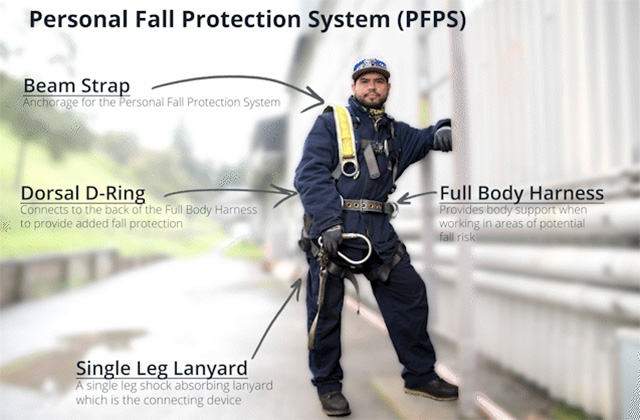
Personal fall protection is designed to prevent or mitigate the impact of falls from heights. This equipment includes harnesses, lanyards, anchor points, and other devices that are crucial for ensuring the safety of workers who perform tasks at elevated levels.
Types of Personal Fall Protection Equipment
Fall Arrest Systems: These systems are designed to stop a fall in progress and limit the forces exerted on the body during a fall event.
Fall Restraint Systems: These systems prevent a worker from reaching a point where a fall can occur, keeping them safe by restricting their movement within a safe zone.
Fall Protection Harnesses: Harnesses distribute the forces of a fall across the body to reduce injury risk and provide support during rescue operations.
Ensuring Proper Use of Personal Fall Protection Equipment
To maximise the effectiveness of personal fall protection equipment, it is crucial for individuals to receive proper training on how to select, inspect, don, and use this gear correctly. Regular inspections and maintenance are also essential to ensure that equipment remains in good working condition.
In Conclusion
Personal fall protection plays a vital role in safeguarding individuals who work at heights. By investing in high-quality equipment and providing comprehensive training, employers can create safer work environments and reduce the risk of falls and associated injuries.
9 Essential Tips for Effective Personal Fall Protection
- Always wear a properly fitted harness when working at heights.
- Inspect your fall protection equipment before each use for any signs of damage or wear.
- Ensure that all connections are secure and that the equipment is correctly adjusted.
- Follow proper procedures for anchoring your fall protection system.
- Regularly attend training sessions on the correct use of fall protection equipment.
- Avoid working alone at heights whenever possible.
- Use additional safety measures such as guardrails and toe-boards where necessary.
- Stay alert and focused while working at heights to prevent accidents.
- Report any issues or concerns regarding fall protection to your supervisor immediately.
Always wear a properly fitted harness when working at heights.
When working at heights, it is crucial to prioritise safety by always wearing a properly fitted harness. A well-fitted harness ensures that the forces of a fall are distributed across the body, reducing the risk of injury and providing crucial support in case of a fall event. By adhering to this tip on personal fall protection, individuals can significantly enhance their safety and minimise the potential risks associated with working at elevated levels.
Inspect your fall protection equipment before each use for any signs of damage or wear.
Before engaging in any work at heights, it is crucial to adhere to the safety tip of inspecting your fall protection equipment thoroughly before each use. By carefully examining the gear for any signs of damage or wear, you can ensure that it is in optimal condition to provide the necessary protection in case of a fall. Regular inspections help identify potential issues early on, allowing for timely repairs or replacements to maintain the effectiveness and reliability of the equipment. Prioritising this simple yet essential practice can significantly enhance workplace safety and mitigate risks associated with working at elevated levels.
Ensure that all connections are secure and that the equipment is correctly adjusted.
To enhance personal fall protection, it is crucial to ensure that all connections are securely fastened and that the equipment is properly adjusted. This step is essential in preventing potential accidents or falls from heights. By double-checking the security of connections and ensuring correct adjustments, individuals can significantly reduce the risk of equipment failure and enhance their overall safety while working at elevated levels. Vigilance in maintaining these key aspects of personal fall protection equipment is paramount for a safe and secure working environment.
Follow proper procedures for anchoring your fall protection system.
When it comes to personal fall protection, following proper procedures for anchoring your fall protection system is crucial. The anchor point serves as the foundation of your safety system, providing the necessary support to protect you in the event of a fall. Ensuring that the anchor is secure, properly rated for the intended load, and positioned correctly is essential for maintaining your safety at heights. By adhering to correct anchoring procedures, individuals can enhance the effectiveness of their fall protection system and reduce the risks associated with working at elevated levels.
Regularly attend training sessions on the correct use of fall protection equipment.
It is crucial to prioritise attending regular training sessions on the proper use of fall protection equipment. By participating in these sessions, individuals can enhance their understanding of how to effectively utilise safety gear when working at heights. Training provides valuable insights into selecting the right equipment, conducting thorough inspections, and correctly donning and using fall protection gear. Continuous education ensures that individuals remain well-informed and equipped to maintain a safe working environment, reducing the risk of falls and promoting overall workplace safety.
Avoid working alone at heights whenever possible.
It is highly advisable to avoid working alone at heights whenever possible when engaging in tasks that involve elevated positions. Having a colleague present not only provides an extra pair of eyes to monitor for potential hazards but also ensures that assistance is readily available in case of an emergency. Working in pairs or teams promotes a safer work environment by allowing for immediate aid or intervention if a fall or other incident occurs, thereby reducing the risks associated with working at heights.
Use additional safety measures such as guardrails and toe-boards where necessary.
When working at heights, it is crucial to utilise additional safety measures such as guardrails and toe-boards where necessary. These protective barriers serve as physical safeguards to prevent falls and provide an extra layer of security for individuals working in elevated environments. By incorporating guardrails and toe-boards into fall protection strategies, workers can significantly reduce the risk of accidents and ensure a safer working environment overall.
Stay alert and focused while working at heights to prevent accidents.
Staying alert and maintaining focus while working at heights is a crucial tip for personal fall protection. By remaining attentive to your surroundings and the task at hand, you can significantly reduce the risk of accidents and potential falls. Distractions or loss of concentration can lead to mistakes that may compromise your safety. It is essential to prioritise concentration and awareness to ensure a safe working environment when operating at elevated levels.
Report any issues or concerns regarding fall protection to your supervisor immediately.
It is crucial to report any issues or concerns regarding fall protection to your supervisor immediately. By promptly communicating potential safety hazards or equipment malfunctions, you can help prevent accidents and ensure that necessary corrective actions are taken swiftly. Your supervisor plays a key role in addressing safety concerns and maintaining a secure working environment, so do not hesitate to raise any fall protection issues for prompt resolution and ongoing safety improvement.