
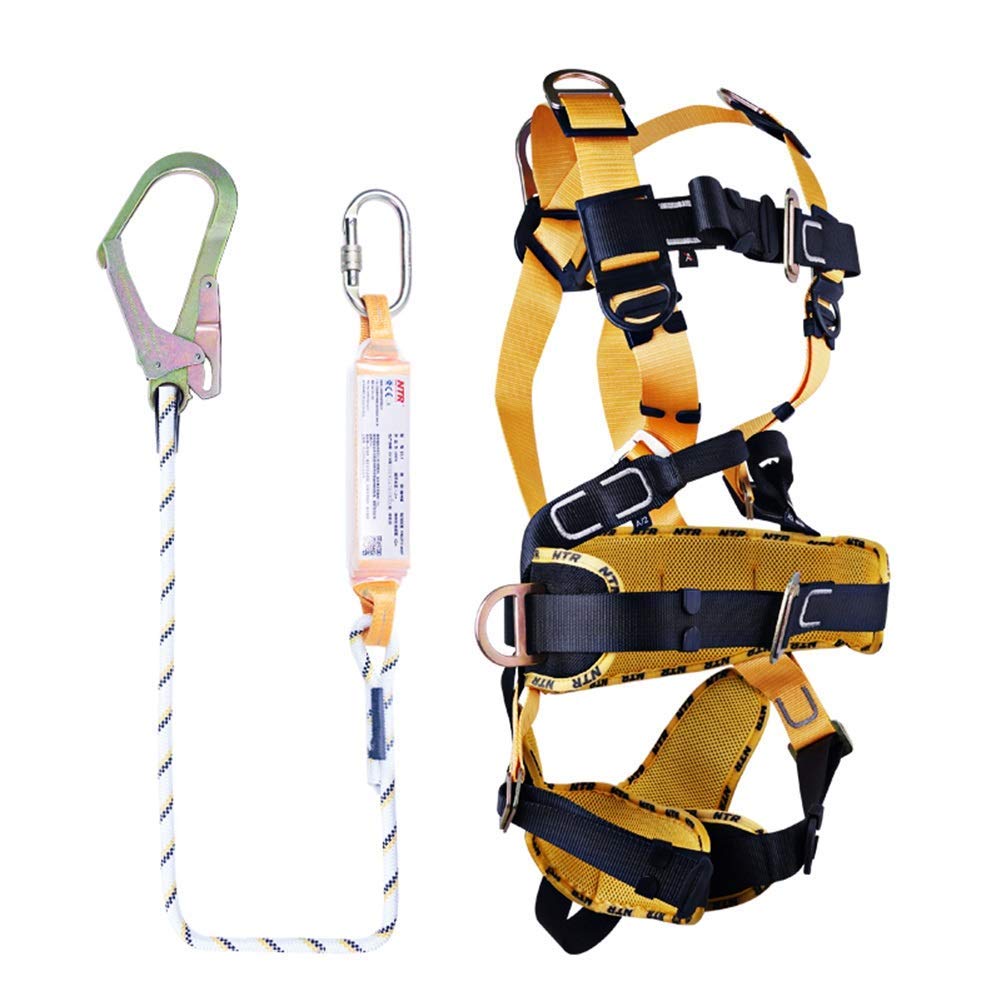
The Importance of Using a Full Body Harness with Double Lanyard
When it comes to working at heights or in hazardous environments, safety should always be the top priority. One essential piece of equipment that can greatly enhance safety is a full body harness with a double lanyard.
A full body harness provides comprehensive protection by distributing the force of a fall across the entire body, reducing the risk of injury. When combined with a double lanyard, which allows for secure attachment to two anchor points simultaneously, the level of safety is further increased.
Here are some key reasons why using a full body harness with a double lanyard is crucial:
- Enhanced Fall Protection: The combination of a full body harness and double lanyard ensures that in the event of a fall, the impact force is spread out over a larger area, reducing the risk of serious injury.
- Increased Stability: Having two attachment points provides greater stability and balance when working at heights or in challenging conditions, helping to prevent falls in the first place.
- Flexibility and Range of Motion: Despite being securely attached to two anchor points, a double lanyard allows for freedom of movement, enabling workers to perform their tasks effectively while remaining safe.
- Compliance with Safety Regulations: Many industries have strict safety regulations that require the use of appropriate fall protection equipment. Using a full body harness with a double lanyard ensures compliance and helps avoid potential fines or penalties.
In conclusion, investing in and using a full body harness with a double lanyard is not just about meeting safety requirements – it’s about prioritising the well-being and lives of those working at heights. By providing enhanced fall protection, stability, flexibility, and compliance with regulations, this essential safety equipment plays a vital role in preventing accidents and ensuring that workers can carry out their duties safely and confidently.
Essential FAQs on Using Full Body Harnesses with Double Lanyards
- What is the minimum height at which one should use a double lanyard full body harness while working?
- Which two straps must every full body harness have?
- When should double lanyards be utilized?
- What is the difference between single and double lanyard safety harness?
- Is it mandatory to use safety harness with double lanyard?
What is the minimum height at which one should use a double lanyard full body harness while working?
When considering the use of a double lanyard full body harness while working at heights, it is important to understand that the minimum height at which one should use this safety equipment can vary depending on the specific regulations and guidelines in place. Generally, it is recommended to utilise a double lanyard full body harness whenever working at a height where a fall could result in serious injury or fatality. This proactive approach to safety ensures that individuals are adequately protected and secure, regardless of the height at which they are operating. By prioritising safety and adhering to best practices, workers can mitigate risks and work confidently in elevated environments.
Which two straps must every full body harness have?
When it comes to full body harnesses, two essential straps that every harness must have are the shoulder straps and the leg straps. These components play a crucial role in providing proper support and securing the wearer in the harness. The shoulder straps help distribute weight and force evenly across the upper body, while the leg straps prevent the wearer from slipping out of the harness in case of a fall. It is important to ensure that these straps are correctly adjusted and fastened to maximise safety and protection when working at heights or in hazardous environments.
When should double lanyards be utilized?
When considering the use of double lanyards in conjunction with a full body harness, it is important to understand the circumstances under which they should be utilised. Double lanyards are typically recommended when working in environments where there are multiple anchor points available or when tasks require movement between different areas. By using double lanyards, workers can maintain a secure connection to two anchor points simultaneously, providing an extra layer of safety and stability. This setup is particularly beneficial in situations where there is a risk of falling from height or when working in challenging conditions that demand increased fall protection measures. Ultimately, the decision to use double lanyards should be based on a thorough risk assessment and consideration of the specific hazards present in the work environment.
What is the difference between single and double lanyard safety harness?
When considering the difference between a single and double lanyard safety harness, it’s important to understand that the number of lanyards directly impacts the level of safety and protection provided. A single lanyard safety harness typically attaches to one anchor point, limiting movement and stability. On the other hand, a double lanyard safety harness allows for attachment to two anchor points simultaneously, enhancing stability, balance, and fall protection. The use of a double lanyard provides an extra layer of security by spreading the force of a potential fall across two points, reducing the risk of injury significantly. Ultimately, opting for a full body harness with a double lanyard offers an added level of safety and peace of mind when working at heights or in hazardous environments.
Is it mandatory to use safety harness with double lanyard?
In many industries and workplaces, the use of a safety harness with a double lanyard is indeed mandatory. This requirement is often in place to ensure the safety and well-being of workers who are exposed to fall hazards or work at heights. By using a full body harness with a double lanyard, employers can help reduce the risk of serious injuries or fatalities in the event of a fall. Compliance with safety regulations regarding fall protection equipment is crucial not only to meet legal requirements but also to prioritise the protection of workers and create a safer working environment for all.