
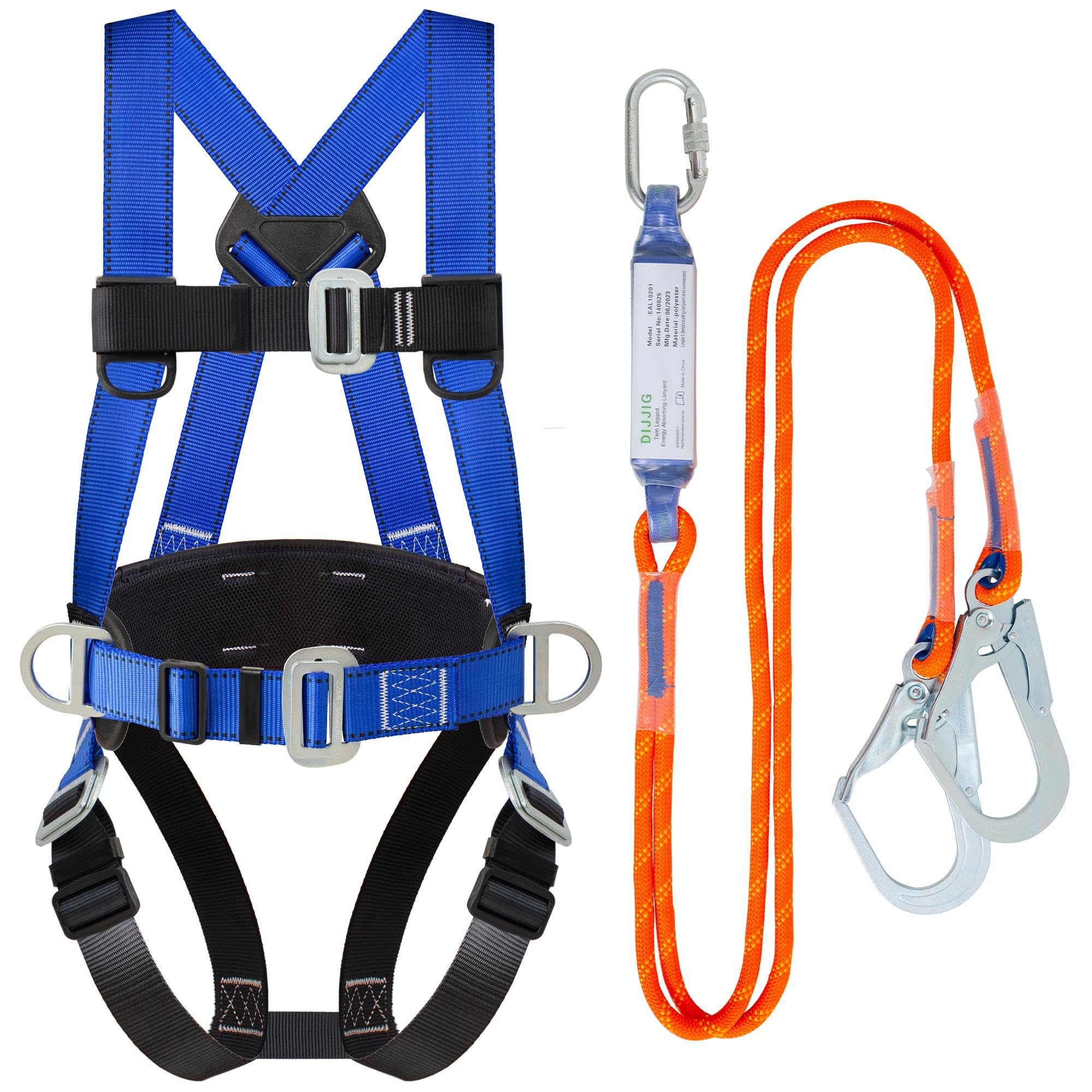
The Importance of Using a Full Body Fall Arrest Harness
When it comes to working at heights or in hazardous environments, safety should always be the top priority. One essential piece of equipment that can make a significant difference in preventing serious injuries or fatalities is a full body fall arrest harness.
A full body fall arrest harness is designed to distribute the forces of a fall across the strongest parts of the body, such as the shoulders, chest, and thighs. By wearing a properly fitted harness, workers can reduce the risk of injury in the event of a fall by providing support and preventing free falls.
These harnesses are typically made from durable materials like nylon webbing and feature secure buckles and attachment points for connecting to lanyards or lifelines. They are adjustable to fit different body sizes comfortably and securely.
Using a full body fall arrest harness is not just about compliance with safety regulations; it is about protecting lives. Falls from heights remain one of the leading causes of workplace accidents, and wearing a harness can significantly reduce the impact of such incidents.
Employers have a responsibility to provide proper training on how to wear and use fall arrest harnesses correctly. Workers should also inspect their harnesses regularly for any signs of wear or damage and replace them if necessary.
In conclusion, investing in high-quality full body fall arrest harnesses and ensuring that workers are trained in their proper use can make a real difference in preventing accidents and saving lives. Safety should always come first in any work environment, especially when working at heights.
9 Advantages of Full Body Fall Arrest Harnesses for Enhanced Safety and Protection
- 1. Provides full-body support in the event of a fall, reducing the risk of serious injuries.
- 2. Distributes fall forces across strong body parts like shoulders and thighs for added protection.
- 3. Adjustable design ensures a comfortable and secure fit for different body sizes.
- 4. Made from durable materials like nylon webbing for long-lasting use in challenging environments.
- 5. Features secure buckles and attachment points for connecting to lanyards or lifelines.
- 6. Helps workers comply with safety regulations when working at heights or in hazardous conditions.
- 7. Can significantly reduce the impact of falls from heights, one of the leading causes of workplace accidents.
- 8. Enhances worker confidence and peace of mind knowing they have proper fall protection equipment.
- 9. Regular inspection and maintenance can ensure continued effectiveness in preventing accidents.
Considerations and Challenges of Full Body Fall Arrest Harnesses
- Can be bulky and restrictive, affecting mobility and comfort for the wearer.
- May require regular maintenance and inspection to ensure safety compliance.
- Initial cost of purchasing high-quality full body fall arrest harnesses can be expensive.
- Improper fit or adjustment of the harness can reduce its effectiveness in a fall arrest situation.
1. Provides full-body support in the event of a fall, reducing the risk of serious injuries.
Wearing a full body fall arrest harness provides comprehensive support to the entire body in the unfortunate event of a fall, effectively reducing the likelihood of sustaining severe injuries. By distributing the impact forces across key areas such as the shoulders, chest, and thighs, the harness plays a crucial role in minimising the risk of serious harm to individuals working at heights or in hazardous environments. This proactive safety measure not only offers physical protection but also instils confidence and peace of mind for workers, ensuring that they can carry out their tasks with added security and reassurance.
2. Distributes fall forces across strong body parts like shoulders and thighs for added protection.
One significant advantage of using a full body fall arrest harness is its ability to distribute fall forces across strong body parts such as the shoulders and thighs, providing an additional layer of protection. By evenly spreading the impact of a fall, these harnesses help minimise the risk of serious injuries and ensure that the body can better withstand the forces involved in a fall. This feature not only enhances safety for workers at height but also contributes to reducing the severity of potential accidents, highlighting the crucial role that full body fall arrest harnesses play in workplace safety.
3. Adjustable design ensures a comfortable and secure fit for different body sizes.
An important advantage of full body fall arrest harnesses is their adjustable design, which guarantees a comfortable and secure fit for individuals of various body sizes. By being able to adjust the harness to suit different body shapes and proportions, workers can wear the equipment with confidence, knowing that it will provide optimal support in the event of a fall. This feature not only enhances safety but also ensures that all workers, regardless of their physique, can work comfortably and securely at heights or in hazardous environments.
4. Made from durable materials like nylon webbing for long-lasting use in challenging environments.
Full body fall arrest harnesses offer the advantage of being constructed from robust materials such as nylon webbing, ensuring longevity and reliability even in demanding work environments. The use of durable materials enhances the harness’s ability to withstand wear and tear, making it a dependable safety tool that can provide long-lasting protection for workers operating in challenging conditions. This feature not only ensures the safety of individuals at heights but also contributes to cost-effectiveness by reducing the need for frequent replacements, ultimately promoting a safer and more efficient working environment.
5. Features secure buckles and attachment points for connecting to lanyards or lifelines.
One key advantage of a full body fall arrest harness is its secure buckles and attachment points that are specifically designed for connecting to lanyards or lifelines. These features ensure a reliable connection between the harness and safety equipment, enhancing the overall safety of workers at heights or in hazardous environments. By providing a strong and stable connection, the harness minimises the risk of detachment during a fall, offering added protection and peace of mind to those relying on this critical safety gear.
6. Helps workers comply with safety regulations when working at heights or in hazardous conditions.
A significant advantage of using a full body fall arrest harness is that it assists workers in adhering to safety regulations while working at heights or in hazardous conditions. By wearing a properly fitted harness, employees can ensure compliance with safety standards set forth by regulatory authorities. This proactive approach not only safeguards the well-being of workers but also demonstrates a commitment to creating a secure work environment where risks are minimised and safety protocols are followed diligently.
7. Can significantly reduce the impact of falls from heights, one of the leading causes of workplace accidents.
One of the key advantages of using a full body fall arrest harness is its ability to significantly reduce the impact of falls from heights, which are among the leading causes of workplace accidents. By distributing the forces of a fall across the body’s strongest parts and providing support during a fall, these harnesses play a crucial role in mitigating the severity of injuries that can occur in such incidents. This proactive measure not only helps protect workers from harm but also contributes to creating a safer work environment overall.
8. Enhances worker confidence and peace of mind knowing they have proper fall protection equipment.
One significant advantage of using a full body fall arrest harness is that it enhances worker confidence and provides peace of mind. Knowing that they are equipped with proper fall protection gear can empower workers to focus on their tasks without fear or distraction. This increased sense of security not only boosts morale but also allows employees to perform their duties more effectively, knowing that their safety is prioritised and safeguarded. Ultimately, by promoting worker confidence and peace of mind, full body fall arrest harnesses contribute to a safer and more productive work environment for all.
9. Regular inspection and maintenance can ensure continued effectiveness in preventing accidents.
Regular inspection and maintenance of full body fall arrest harnesses play a crucial role in ensuring their continued effectiveness in preventing accidents. By conducting routine checks for wear and tear, fraying, or any signs of damage, workers can identify potential issues early on and take the necessary steps to address them. This proactive approach not only helps maintain the integrity of the harness but also ensures that it functions properly when needed most. Ultimately, investing time and effort in regular inspections can significantly enhance the safety measures in place and provide peace of mind for both employers and workers alike.
Can be bulky and restrictive, affecting mobility and comfort for the wearer.
One significant drawback of full body fall arrest harnesses is their potential to be bulky and restrictive, which can impact the wearer’s mobility and comfort. The added weight and bulk of the harness may hinder natural movement, making tasks more challenging for workers, especially in confined spaces or when performing intricate tasks. The discomfort caused by wearing a restrictive harness for extended periods can also lead to fatigue and reduced productivity. Finding a balance between safety and comfort is crucial to ensure that workers can perform their duties effectively while staying protected from falls.
May require regular maintenance and inspection to ensure safety compliance.
One potential downside of using a full body fall arrest harness is that it may necessitate regular maintenance and inspection to ensure safety compliance. This maintenance can involve checking for wear and tear, ensuring all components are functioning correctly, and verifying that the harness meets safety standards. While this upkeep is crucial for the harness to effectively protect against falls, it adds an additional responsibility for users and employers to stay vigilant in maintaining the equipment’s integrity. Failure to conduct proper maintenance and inspections could compromise the safety of individuals working at heights or in risky environments.
Initial cost of purchasing high-quality full body fall arrest harnesses can be expensive.
The initial cost of purchasing high-quality full body fall arrest harnesses can be a significant drawback for organisations and individuals. While these harnesses are crucial for ensuring safety when working at heights or in hazardous environments, the upfront investment required to acquire top-notch equipment may pose a financial challenge. Some businesses, especially smaller ones, may find it difficult to allocate funds for purchasing expensive harnesses, potentially leading to compromises in safety measures. However, it is important to consider the long-term benefits and cost savings that come with investing in quality harnesses that can effectively protect against falls and prevent serious injuries.
Improper fit or adjustment of the harness can reduce its effectiveness in a fall arrest situation.
When it comes to full body fall arrest harnesses, one significant drawback is that an improper fit or adjustment of the harness can greatly diminish its effectiveness in a fall arrest scenario. A poorly fitted harness may not distribute the forces of a fall correctly across the body’s strongest parts, such as the shoulders and thighs, leading to increased risks of injury in the event of a fall. It is crucial for users to ensure that their harness is correctly adjusted and securely fastened to maintain its intended safety functions. Regular inspections and proper training on fitting and adjusting the harness are essential to mitigate this con and maximise safety while working at heights or in hazardous environments.