
Putting on a Safety Harness: A Step-by-Step Guide
When it comes to working at heights or engaging in activities that require fall protection, wearing a safety harness is crucial to ensure your safety. Properly putting on a safety harness is essential to its effectiveness. Here is a step-by-step guide to help you correctly put on a safety harness:
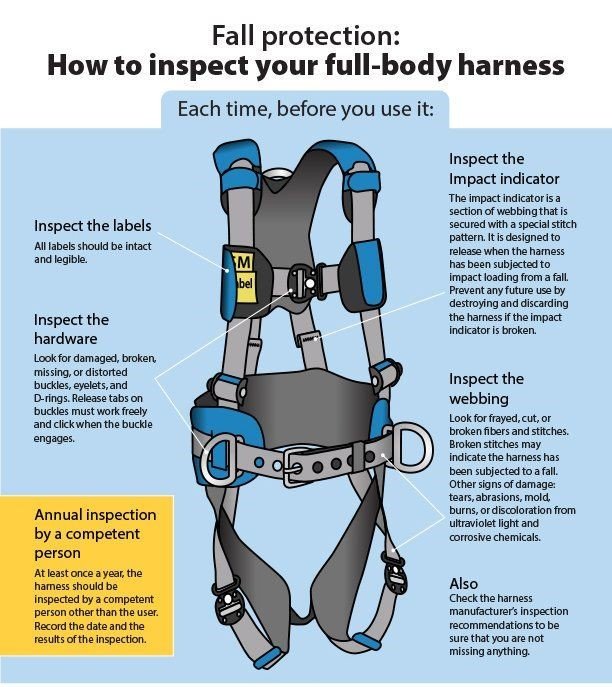
- Inspect the Harness: Before putting on the harness, carefully inspect it for any signs of damage or wear. Make sure all straps, buckles, and D-rings are in good condition.
- Put Your Arms Through the Straps: Hold the harness by the back D-ring and slip your arms through the shoulder straps. The D-ring should be located between your shoulder blades.
- Fasten the Chest Strap: Connect the chest strap across your chest and fasten it securely. Make sure it sits snugly but not too tight.
- Buckle the Waist Belt: Fasten the waist belt around your waist and ensure it is snug and comfortable. The waist belt should sit just above your hips.
- Adjust Leg Straps: If your harness has leg straps, adjust them so they fit comfortably around your thighs without being too tight or too loose.
- Tighten All Straps: Once all straps are in place, tighten them to ensure a secure fit. Check that there is no slack in any of the straps.
- Perform a Fit Check: Perform a fit check by moving around and bending at different angles. The harness should stay in place and not ride up or shift excessively.
Remember, wearing a safety harness alone is not enough – you must also attach yourself to an appropriate anchor point using a lanyard or lifeline. Regularly inspect your harness for signs of wear and damage, and replace it if necessary to maintain optimal safety standards.
By following these steps and ensuring your safety harness is correctly worn and secured, you can work confidently at heights knowing that you are properly protected in case of a fall.
Nine Benefits of Wearing a Safety Harness for Enhanced Workplace Safety
- Provides fall protection when working at heights
- Increases safety and reduces the risk of injuries
- Ensures compliance with safety regulations and standards
- Offers peace of mind for workers and employers
- Allows for hands-free work in elevated positions
- Can be adjusted for a comfortable and secure fit
- Helps prevent accidents and fatalities in high-risk environments
- Essential equipment for working on scaffolding, roofs, or elevated platforms
- Promotes a safety-conscious culture in the workplace
Challenges of Wearing a Safety Harness: Top 5 Drawbacks to Consider
- Time-consuming process, especially for beginners
- May feel restrictive or uncomfortable to wear for extended periods
- Improper fitting or adjustment can compromise safety
- Requires regular inspection and maintenance to ensure effectiveness
- Can be challenging to put on correctly in certain work environments
Provides fall protection when working at heights
One of the key benefits of putting on a safety harness is that it provides essential fall protection when working at heights. By wearing a safety harness properly and attaching oneself to a secure anchor point, individuals working in elevated environments can significantly reduce the risk of serious injuries or fatalities in the event of a fall. The safety harness acts as a critical safety measure, offering support and restraint to prevent falls and protect individuals from potential hazards, ultimately ensuring a safer working environment for those engaged in tasks at elevated levels.
Increases safety and reduces the risk of injuries
Putting on a safety harness significantly enhances safety and minimises the risk of injuries in various high-risk environments. By properly securing a safety harness, individuals are provided with a crucial layer of protection that can prevent falls and mitigate the impact of accidents. This proactive measure not only promotes a safer work or recreational environment but also instils confidence in individuals knowing that they are adequately safeguarded against potential hazards.
Ensures compliance with safety regulations and standards
Putting on a safety harness ensures compliance with safety regulations and standards, which are put in place to protect individuals from potential hazards and accidents. By adhering to these regulations and wearing a safety harness properly, individuals demonstrate their commitment to maintaining a safe working environment and following best practices for fall protection. Compliance with safety standards not only reduces the risk of injuries but also promotes a culture of safety consciousness and responsibility in the workplace or during activities that require fall protection.
Offers peace of mind for workers and employers
Wearing a safety harness offers a significant pro by providing peace of mind for both workers and employers. For workers, knowing that they are properly secured and protected while working at heights or in risky environments can alleviate fears and allow them to focus on their tasks with confidence. This sense of security promotes better concentration and productivity. Employers benefit from the assurance that their workers are equipped with the necessary safety gear, reducing the risk of accidents and potential liabilities. By prioritising the use of safety harnesses, employers demonstrate their commitment to creating a safe work environment, fostering trust and loyalty among their workforce.
Allows for hands-free work in elevated positions
Putting on a safety harness enables individuals to engage in hands-free work while positioned at heights, providing a significant advantage in various industries and activities. By securely fastening themselves to an anchor point with a safety harness, workers can confidently focus on their tasks without the need to constantly hold onto support structures. This not only enhances productivity but also minimises the risk of accidents by ensuring stability and freedom of movement, ultimately promoting a safer working environment.
Can be adjusted for a comfortable and secure fit
One of the key advantages of putting on a safety harness is its ability to be adjusted for a comfortable and secure fit. By customising the straps and buckles to suit your body shape and size, you can ensure that the harness fits snugly without being too tight or restrictive. This feature not only enhances comfort during prolonged wear but also plays a crucial role in maximising safety by preventing the harness from shifting or coming loose in the event of a fall. The adjustability of a safety harness allows individuals to work confidently at heights or engage in activities requiring fall protection, knowing that they have a personalised and secure fit tailored to their specific needs.
Helps prevent accidents and fatalities in high-risk environments
Wearing a safety harness plays a crucial role in preventing accidents and fatalities in high-risk environments. By properly putting on a safety harness, individuals working at heights or engaging in activities with fall hazards significantly reduce the risk of serious injuries or even death in case of a fall. The secure fit and attachment of a safety harness provide essential protection by keeping individuals safely anchored to prevent free falls. This proactive measure not only safeguards the wearer but also promotes a culture of safety awareness and adherence to best practices in high-risk settings.
Essential equipment for working on scaffolding, roofs, or elevated platforms
Safety harnesses are essential equipment for anyone working on scaffolding, roofs, or elevated platforms. By wearing a safety harness in these situations, workers significantly reduce the risk of falls and serious injuries. The harness provides a vital lifeline in case of an accident, allowing individuals to be safely secured and prevented from falling to the ground. It offers peace of mind and confidence to workers knowing that they have an added layer of protection while working at heights, ultimately promoting a safer working environment for all involved.
Promotes a safety-conscious culture in the workplace
Promoting the use of safety harnesses in the workplace fosters a safety-conscious culture among employees. By emphasising the importance of wearing harnesses during tasks that involve height or fall risks, organisations demonstrate their commitment to prioritising employee well-being and safety. This proactive approach not only reduces the likelihood of accidents and injuries but also instils a sense of responsibility and awareness among workers regarding their own safety and that of their colleagues. Encouraging the consistent use of safety harnesses helps create a work environment where safety is valued, respected, and integrated into everyday practices, ultimately contributing to a safer and more secure workplace for all.
Time-consuming process, especially for beginners
One notable drawback of putting on a safety harness is the time-consuming process, particularly for beginners. The intricate design and multiple straps of a safety harness can be overwhelming for those who are not familiar with the equipment. Beginners may require extra time and assistance to ensure that the harness is correctly worn and adjusted for a secure fit. This additional time spent in donning a safety harness can be seen as a barrier to efficiency, especially in situations where quick preparation is essential. However, investing time in learning how to properly put on a safety harness is crucial for ensuring one’s safety when working at heights or engaging in activities that require fall protection.
May feel restrictive or uncomfortable to wear for extended periods
Wearing a safety harness for extended periods can present a significant drawback as it may feel restrictive and uncomfortable. The straps and buckles that secure the harness in place can dig into the skin or cause chafing, especially when worn for long durations. This discomfort may lead to distractions or reduced mobility, impacting the wearer’s ability to focus on tasks effectively. It is essential for individuals required to wear safety harnesses for extended periods to take regular breaks, adjust the fit as needed, and ensure that the harness is correctly positioned to minimise discomfort and maintain safety standards.
Improper fitting or adjustment can compromise safety
One significant con of putting on a safety harness is that improper fitting or adjustment can compromise safety. If the harness is not correctly fitted to the wearer’s body or if the straps are not properly adjusted, it may not provide adequate protection in the event of a fall. An ill-fitting harness can lead to discomfort, restriction of movement, and even the risk of slipping out of the harness during a fall. It is crucial to take the time to properly fit and adjust a safety harness to ensure that it functions effectively as intended, reducing the potential risks associated with working at heights or engaging in activities requiring fall protection.
Requires regular inspection and maintenance to ensure effectiveness
One significant drawback of putting on a safety harness is the need for regular inspection and maintenance to guarantee its effectiveness. Safety harnesses are subjected to wear and tear over time, especially in high-risk environments or during strenuous activities. Failure to inspect and maintain the harness regularly can lead to unnoticed damage or weakened components, compromising its ability to protect the wearer in case of a fall. Therefore, consistent vigilance and upkeep are essential to ensure that the safety harness remains reliable and functional for optimal safety measures.
Can be challenging to put on correctly in certain work environments
Putting on a safety harness can be challenging to do correctly in certain work environments due to various factors such as limited space, awkward positions, or time constraints. In situations where workers have to put on a safety harness quickly or in confined spaces, there may be difficulties in adjusting the straps properly or ensuring a secure fit. This can lead to potential risks if the harness is not worn correctly, compromising the effectiveness of fall protection measures. It is important for employers to provide adequate training and support to ensure that workers can safely and efficiently put on their safety harnesses in all types of work environments.