
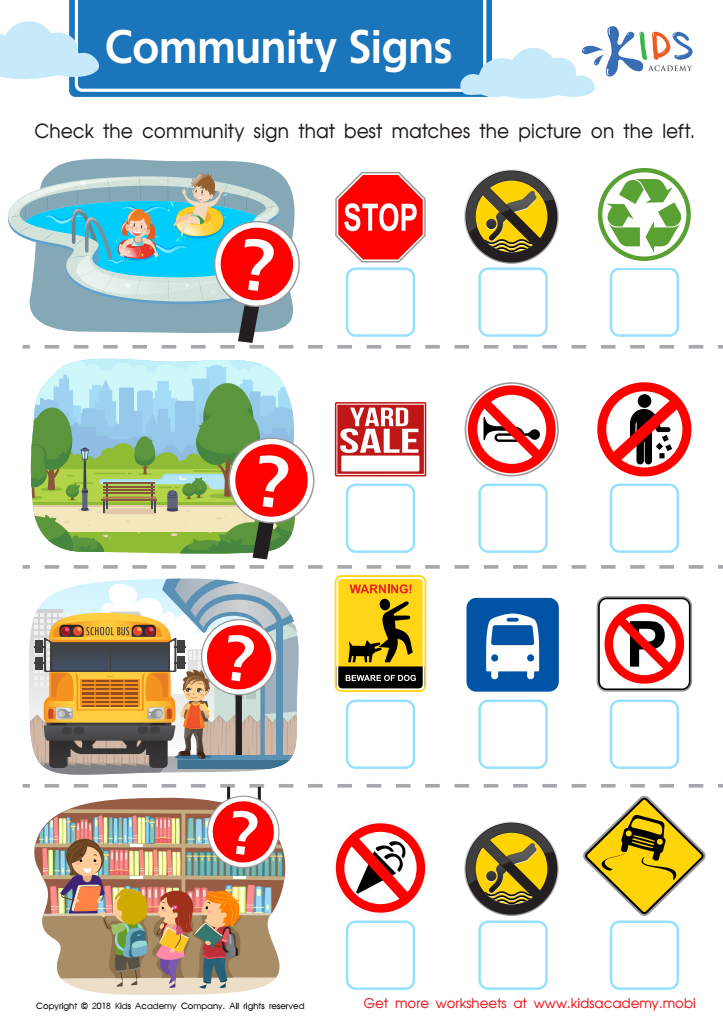
Examples of Community Safety
Community safety is a vital aspect of creating a secure and harmonious environment for all residents. It involves various strategies and initiatives that aim to prevent crime, reduce risks, and promote well-being within a community. Here are some examples of community safety measures:
Neighbourhood Watch Programmes
Neighbourhood Watch schemes encourage residents to look out for each other and report any suspicious activities to the police. By fostering a sense of community vigilance, these programmes help deter criminal activities and create a safer neighbourhood.
Youth Engagement Projects
Engaging young people in positive activities and providing them with opportunities for personal development can help prevent them from engaging in risky behaviours or criminal activities. Youth clubs, mentorship programmes, and educational initiatives are examples of projects that promote community safety.
CCTV Surveillance Systems
Installing CCTV cameras in public spaces can act as a deterrent to crime and provide valuable evidence in case of incidents. Well-monitored surveillance systems enhance the overall security of an area and help authorities respond promptly to emergencies.
Community Policing Initiatives
Community policing involves building strong relationships between law enforcement agencies and local residents. Police officers work closely with communities to address concerns, provide support, and collaborate on crime prevention strategies tailored to specific neighbourhoods.
Crime Prevention Workshops
Organising workshops on topics such as home security, personal safety, cybercrime awareness, and emergency preparedness can empower residents with knowledge and skills to protect themselves and their families. These educational initiatives play a crucial role in enhancing community safety.
In conclusion, community safety is a collective effort that requires the active participation of residents, businesses, local authorities, and other stakeholders. By implementing diverse strategies like those mentioned above, communities can create safer environments where everyone can thrive.
Exploring Community Safety: Key Concepts, Objectives, and Practical Examples
- What are the 5 C’s of community?
- What are the objectives of community safety?
- What are 10 examples of community?
- What is an example of a security community?
- How do you keep safe in the community?
- What is safety in the community?
- What is an example of community safety?
What are the 5 C’s of community?
The 5 C’s of community refer to key elements that contribute to building a strong and cohesive community. These include: Communication, which involves open and effective dialogue among residents to foster understanding and collaboration; Cooperation, where individuals work together towards common goals and support each other in times of need; Civic Engagement, encouraging active participation in community activities, decision-making processes, and social initiatives; Connection, building relationships and networks that create a sense of belonging and unity among community members; and lastly, Care, showing compassion, empathy, and concern for the well-being of others to create a supportive and nurturing environment within the community. Embracing these 5 C’s can help communities thrive and ensure the safety and well-being of all residents.
What are the objectives of community safety?
The objectives of community safety encompass a range of goals aimed at creating secure and supportive environments for residents. Primarily, community safety initiatives strive to prevent crime and reduce the fear of crime within neighbourhoods. By promoting social cohesion and fostering positive relationships among residents, these efforts seek to enhance feelings of security and well-being. Additionally, the objectives include empowering communities to address local safety concerns collaboratively, improving access to support services for vulnerable individuals, and enhancing the overall quality of life for all members of the community. Ultimately, the key objectives of community safety initiatives are to build resilience, promote inclusivity, and foster a sense of shared responsibility for creating safer and more liveable communities.
What are 10 examples of community?
When exploring examples of community safety, it is important to consider a variety of initiatives and strategies that contribute to the well-being and security of residents. Some common examples include neighbourhood watch programmes that encourage residents to look out for each other, youth engagement projects aimed at providing positive opportunities for young people, CCTV surveillance systems to monitor public spaces, community policing initiatives that foster relationships between law enforcement and residents, and crime prevention workshops focusing on topics such as home security and emergency preparedness. These diverse examples highlight the collaborative efforts needed to promote safety and create a supportive environment for all community members.
What is an example of a security community?
In the context of community safety, an example of a security community refers to a group or neighbourhood where residents actively collaborate to enhance security measures and promote a safe environment. This concept goes beyond individual efforts and focuses on collective action to address safety concerns. In a security community, residents may implement initiatives such as Neighbourhood Watch programmes, regular communication channels for reporting suspicious activities, shared responsibility for monitoring public spaces, and cooperation with local law enforcement agencies. By working together towards common safety goals, a security community fosters trust, solidarity, and a sense of shared ownership in safeguarding the well-being of its members.
How do you keep safe in the community?
Ensuring personal safety in the community involves being aware of your surroundings, staying vigilant, and engaging with others positively. Simple measures such as walking in well-lit areas, avoiding isolated places, and informing someone of your whereabouts can enhance your safety. Building relationships with neighbours, participating in community watch programmes, and reporting any suspicious activities to the authorities are also effective ways to contribute to a safer community. By taking proactive steps and fostering a sense of collective responsibility for safety, individuals can help create a secure and supportive environment for everyone.
What is safety in the community?
Safety in the community refers to the collective efforts and measures taken to ensure the well-being and security of residents within a specific area. It encompasses a range of strategies aimed at preventing crime, reducing risks, and promoting a sense of security among individuals living in that community. From neighbourhood watch programmes and youth engagement projects to CCTV surveillance systems and community policing initiatives, safety in the community involves proactive steps to create an environment where residents can feel protected, supported, and empowered. By fostering strong relationships, promoting awareness, and implementing effective crime prevention measures, communities can work together to enhance safety for all members and foster a sense of unity and resilience.
What is an example of community safety?
An example of community safety is the establishment of Neighbourhood Watch programmes. These initiatives encourage residents to work together in monitoring their neighbourhood, reporting any suspicious activities, and collaborating with local law enforcement to prevent crime. By fostering a sense of shared responsibility and vigilance among community members, Neighbourhood Watch programmes contribute to creating a safer and more secure environment for everyone living in the area.