
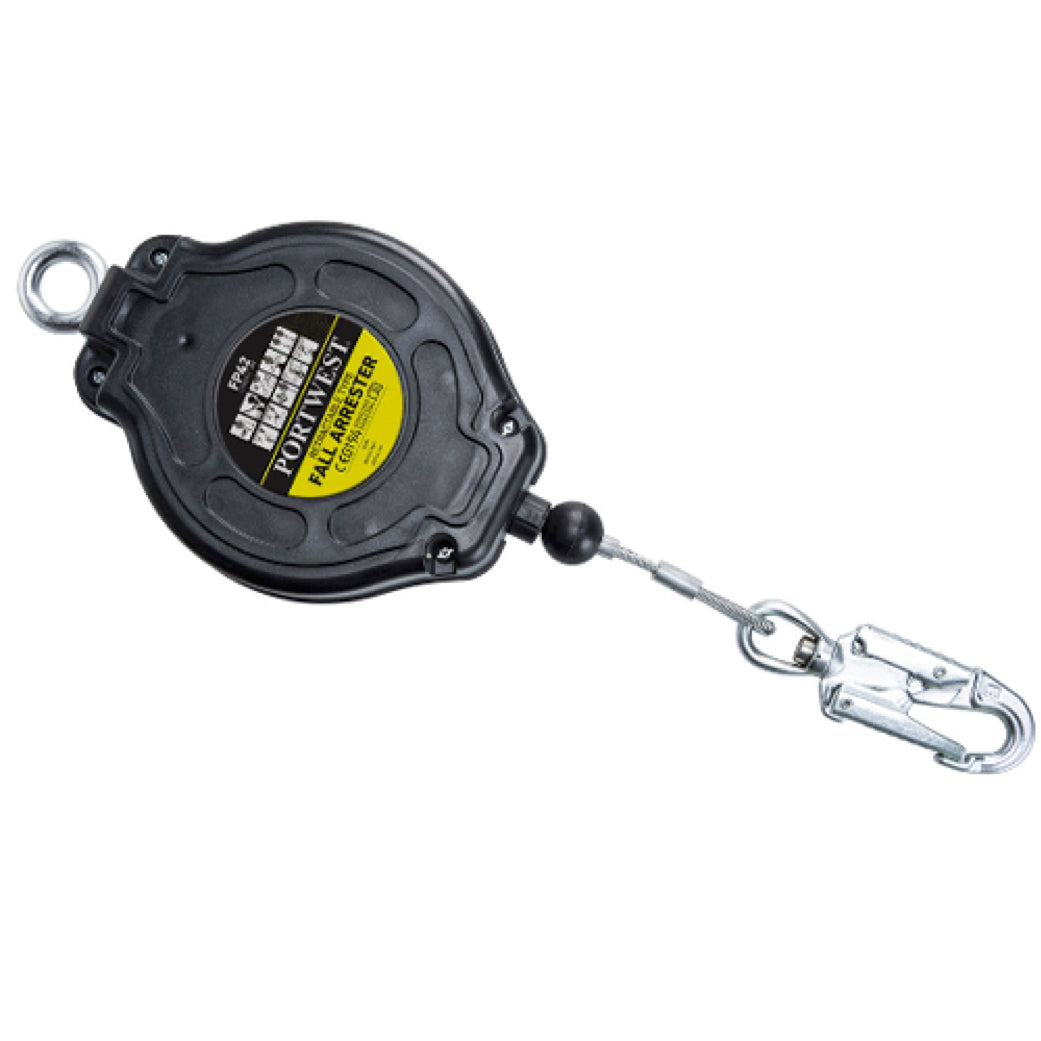
The Importance of Fall Arrest and Fall Restraint Systems
Falls from height are a significant risk in many industries, leading to serious injuries and even fatalities. To mitigate this risk, companies often implement fall protection systems, including fall arrest and fall restraint systems.
Fall Arrest Systems
Fall arrest systems are designed to safely stop a person who has fallen from a height. These systems typically consist of a full-body harness, lanyard, and an anchor point. In the event of a fall, the harness distributes the impact forces across the body, while the lanyard absorbs some of the energy to reduce the shock on the body.
Employers must ensure that fall arrest systems are properly inspected, maintained, and used according to manufacturer guidelines to ensure their effectiveness in an emergency.
Fall Restraint Systems
Fall restraint systems are designed to prevent workers from reaching a point where they could fall. These systems use harnesses or lanyards that limit a worker’s movement within a safe area. By restricting access to hazardous areas near edges or openings, fall restraint systems help reduce the risk of falls occurring in the first place.
It is crucial for employers to assess work environments carefully and determine whether fall arrest or fall restraint systems are more suitable based on the specific hazards present.
Conclusion
Both fall arrest and fall restraint systems play vital roles in protecting workers at height. By implementing these safety measures effectively and providing adequate training for employees, companies can significantly reduce the risks associated with working at elevated levels.
Top 9 Benefits of Fall Arrest and Restraint Systems for Enhanced Workplace Safety
- 1. Enhances worker safety at height
- 2. Reduces the risk of serious injuries from falls
- 3. Complies with health and safety regulations
- 4. Provides peace of mind for workers and employers
- 5. Prevents accidents before they occur (fall restraint)
- 6. Distributes impact forces in case of a fall (fall arrest)
- 7. Increases worker confidence and productivity
- 8. Customisable to suit different work environments
- 9. Demonstrates a commitment to employee well-being
Potential Drawbacks of Fall Arrest and Restraint Systems: Safety Concerns and Productivity Challenges
- Fall arrest systems may cause injury due to the sudden stop after a fall.
- Fall restraint systems may restrict movement and hinder productivity in certain work tasks.
- Improper use or installation of fall arrest or fall restraint systems can lead to serious accidents.
- Workers may feel discomfort or restriction while wearing harnesses or lanyards for extended periods.
1. Enhances worker safety at height
Implementing fall arrest and fall restraint systems enhances worker safety at height by providing necessary protection against falls. These systems help create a secure working environment, giving workers confidence to perform their tasks without the fear of potential accidents or injuries due to falls. By utilising these safety measures, employers demonstrate their commitment to prioritising the well-being of their employees and ensuring a safer workplace for everyone involved in tasks at elevated levels.
2. Reduces the risk of serious injuries from falls
Implementing fall arrest and fall restraint systems effectively can significantly reduce the risk of serious injuries resulting from falls. By providing a safety net in the form of these systems, workers are protected in the event of a fall, minimising the impact forces on their bodies and preventing severe injuries. Fall restraint systems, on the other hand, proactively prevent falls from occurring by limiting workers’ access to hazardous areas near edges or openings. This proactive approach not only reduces the likelihood of falls but also ensures that workers are kept safe from potentially life-threatening injuries. Ultimately, prioritising the use of fall arrest and fall restraint systems helps create a safer working environment where employees can carry out their tasks with confidence and peace of mind.
3. Complies with health and safety regulations
Implementing fall arrest and fall restraint systems in the workplace offers the significant advantage of ensuring compliance with health and safety regulations. By utilising these safety measures, employers demonstrate their commitment to providing a secure working environment that meets the standards set forth by regulatory authorities. Compliance with health and safety regulations not only protects employees from potential hazards but also helps organisations avoid costly fines and legal repercussions associated with non-compliance. Prioritising the use of fall arrest and fall restraint systems reflects a proactive approach to safeguarding workers’ well-being and upholding regulatory requirements for a safer working environment.
4. Provides peace of mind for workers and employers
Fall arrest and fall restraint systems provide peace of mind for both workers and employers by offering a sense of security and confidence in their safety measures. Knowing that effective fall protection systems are in place can alleviate anxiety and worry for workers who perform tasks at height, allowing them to focus on their work without fear of potential falls. Employers, on the other hand, can have peace of mind knowing that they have taken proactive steps to ensure the well-being of their employees and comply with safety regulations, ultimately fostering a safer and more productive work environment.
5. Prevents accidents before they occur (fall restraint)
Fall restraint systems offer a crucial advantage by preventing accidents before they occur. By restricting workers’ movement within safe areas and limiting access to hazardous zones near edges or openings, fall restraint systems effectively eliminate the risk of falls from happening in the first place. This proactive approach not only enhances safety but also minimises the likelihood of accidents and injuries, ensuring a secure working environment for employees at height.
6. Distributes impact forces in case of a fall (fall arrest)
One key advantage of fall arrest systems is their ability to distribute impact forces in the event of a fall. By spreading the forces across the body through the use of a full-body harness and lanyard, fall arrest systems help reduce the severity of injuries that may occur during a fall from height. This feature enhances the safety of workers by minimising the concentrated impact on any single part of the body, thereby increasing the chances of preventing serious harm in hazardous situations.
7. Increases worker confidence and productivity
Implementing fall arrest and fall restraint systems in the workplace can significantly increase worker confidence and productivity. Knowing that they are protected by effective safety measures gives workers peace of mind, allowing them to focus on their tasks without constant worry about potential falls. This boost in confidence can lead to improved productivity as employees feel safer and more secure in their working environment, enabling them to work more efficiently and effectively. By prioritising worker safety through these systems, employers not only protect their employees from harm but also create a positive work environment that fosters higher levels of job satisfaction and performance.
8. Customisable to suit different work environments
One significant advantage of fall arrest and fall restraint systems is their customisability to suit various work environments. These safety systems can be tailored to meet the specific needs and challenges of different settings, whether it’s a construction site, industrial facility, or maintenance project. By adapting the equipment and configurations to fit the unique characteristics of each workplace, employers can ensure that their workers are adequately protected while carrying out tasks at height. This flexibility in design allows for greater efficiency and effectiveness in preventing falls and enhancing overall safety standards across diverse work environments.
9. Demonstrates a commitment to employee well-being
Implementing fall arrest and fall restraint systems demonstrates a clear commitment to employee well-being. By providing workers with the necessary safety measures to prevent falls from height, employers show that they value the health and safety of their employees. This proactive approach not only helps create a safer work environment but also fosters a culture of care and respect for employees’ welfare. Investing in fall protection systems sends a powerful message that the organisation prioritises the well-being of its workforce, leading to increased morale, productivity, and overall job satisfaction among employees.
Fall arrest systems may cause injury due to the sudden stop after a fall.
One significant drawback of fall arrest systems is the potential for causing injury to individuals due to the abrupt stop that occurs after a fall. While these systems are designed to prevent a person from hitting the ground or lower levels, the sudden deceleration upon activation can still result in injuries such as whiplash, internal trauma, or musculoskeletal damage. It is essential for employers and safety professionals to be aware of this con and take necessary precautions, including proper training and equipment selection, to minimise the risk of injury when using fall arrest systems.
Fall restraint systems may restrict movement and hinder productivity in certain work tasks.
Fall restraint systems, while effective in preventing falls from height, may present a con by restricting movement and potentially hindering productivity in certain work tasks. Workers may find themselves limited in their range of motion or ability to access certain areas due to the constraints imposed by fall restraint systems. This limitation could impact efficiency and workflow, especially in tasks that require frequent movement or positioning near edges or openings. Employers should carefully assess the balance between safety and productivity when implementing fall restraint systems to ensure that work processes are not unnecessarily impeded.
Improper use or installation of fall arrest or fall restraint systems can lead to serious accidents.
Improper use or installation of fall arrest or fall restraint systems can pose a significant risk, potentially resulting in serious accidents. If these safety systems are not correctly set up or if users are not trained on their proper usage, the intended protection may be compromised. Inadequate installation could lead to equipment failure during a fall event, while improper use, such as neglecting to secure all connections or wearing the harness incorrectly, may reduce the effectiveness of the system in preventing injuries. It is crucial for employers and workers to ensure that fall arrest and fall restraint systems are installed, maintained, and utilised correctly to uphold safety standards and prevent tragic incidents.
Workers may feel discomfort or restriction while wearing harnesses or lanyards for extended periods.
Workers may experience discomfort or a sense of restriction when wearing fall arrest or fall restraint harnesses and lanyards for prolonged periods. The presence of these safety devices, while crucial for preventing falls and ensuring worker safety, can sometimes lead to physical discomfort or hinder movement during tasks. Employers should provide regular breaks, ergonomic harness designs, and proper training to help workers manage any discomfort and maintain their productivity and well-being while using fall protection systems. Balancing safety requirements with worker comfort is essential to ensure that employees can perform their duties effectively without compromising their health and safety.