
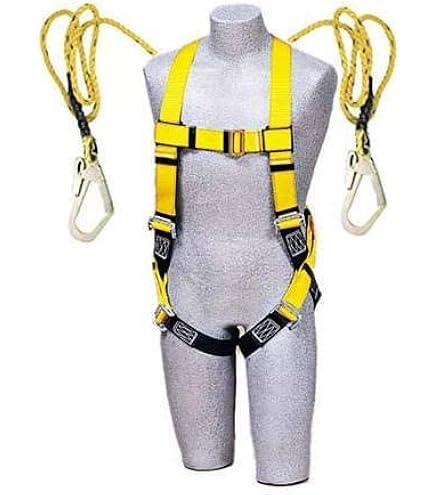
The Importance of Full Body Harness Rope in Safety
When it comes to working at heights or in potentially dangerous environments, safety should always be the top priority. One essential piece of equipment that plays a crucial role in ensuring the safety of workers is the full body harness rope.
A full body harness rope is designed to securely hold a person in place and prevent falls from elevated positions. It consists of straps that go over the shoulders, around the torso, and down the legs, creating a secure and comfortable fit for the wearer.
One of the key benefits of using a full body harness rope is its ability to distribute the force of a fall across the entire body, reducing the risk of serious injuries. In the event of a fall, the harness acts as a lifeline, preventing the worker from hitting the ground and potentially saving their life.
Full body harness ropes are commonly used in industries such as construction, window cleaning, roofing, and telecommunications where employees are required to work at heights. They are also essential for activities like rock climbing and rescue operations where safety is paramount.
It is important to ensure that full body harness ropes are properly inspected, maintained, and used according to manufacturer guidelines. Regular inspections can help identify any signs of wear or damage that could compromise the effectiveness of the harness.
In conclusion, full body harness ropes are indispensable tools for ensuring worker safety in high-risk environments. By investing in quality harnesses and providing proper training on their use, employers can help protect their employees from falls and accidents, ultimately creating a safer work environment for all.
Essential FAQs on Full Body Harnesses and Rope Techniques
- What are the 3 types of harnesses?
- How do you tie a full body harness with a rope?
- What are the three types of harnesses?
- How to make a body harness out of rope?
- What is the rule for using a full-body harness?
- What is full body harness?
- What is maximum length of a full body harness lanyard?
- What harness does Alex Honnold use?
What are the 3 types of harnesses?
When it comes to full body harness ropes, there are three main types of harnesses commonly used for different purposes: the chest harness, the full-body harness, and the sit harness. The chest harness primarily focuses on upper body support and is often used in conjunction with a seat harness for added security. The full-body harness provides comprehensive support by distributing weight across the shoulders, torso, and legs, making it ideal for activities involving potential falls from height. The sit harness is designed to be used in combination with a chest or full-body harness and is commonly employed in activities such as rock climbing where a lower attachment point is required for safety. Each type of harness serves a specific function in ensuring the safety and security of individuals working at heights or engaging in high-risk activities.
How do you tie a full body harness with a rope?
Tying a full body harness with a rope involves following specific steps to ensure proper fit and security. To begin, lay the rope flat and create a loop at the midpoint. Place this loop behind your back, ensuring it sits at waist level. Next, bring the ends of the rope over your shoulders and cross them at the front of your chest. Then, loop each end under your armpits and back up over your shoulders to create a secure X-shape across your chest. Finally, tie off the ends of the rope securely at your waist or use a suitable locking mechanism as recommended by the manufacturer. It is crucial to double-check that all connections are tight and secure before use to guarantee maximum safety while wearing a full body harness with a rope.
What are the three types of harnesses?
When it comes to full body harness ropes, there are three main types of harnesses commonly used for various safety applications. The first type is the chest harness, which focuses on securing the upper body and chest area of the wearer. The second type is the full-body harness, which provides comprehensive coverage by securing the entire body from shoulders to legs. Lastly, the suspension harness is designed specifically for work positioning and suspension in industrial settings. Each type of harness serves a specific purpose and plays a vital role in ensuring the safety and protection of individuals working at heights or in potentially hazardous environments.
How to make a body harness out of rope?
Creating a body harness out of rope requires careful attention to detail and safety considerations. To make a body harness using rope, you will need a strong and durable rope that is suitable for the task at hand. Start by securing the rope around your waist and then looping it over your shoulders to create the upper body support. Cross the rope at the back and bring it back to the front, ensuring a snug fit without restricting movement or circulation. Secure all knots tightly and double-check for any weak points or potential hazards. It is crucial to test the harness in a safe environment before actual use to ensure its reliability and effectiveness in supporting your body weight during activities at heights or in risky situations.
What is the rule for using a full-body harness?
When it comes to using a full-body harness, the key rule is to always follow the manufacturer’s instructions and guidelines. It is crucial to ensure that the harness is properly fitted, adjusted, and secured before engaging in any work at heights or in elevated positions. Regular inspection of the harness for wear and tear is also important to maintain its effectiveness and safety. Additionally, proper training on how to use the harness correctly and how to respond in case of a fall is essential for all individuals who will be wearing the harness. By adhering to these rules and best practices, users can maximise the safety benefits of a full-body harness and minimise the risk of accidents or injuries.
What is full body harness?
A full body harness is a crucial piece of safety equipment designed to protect individuals working at heights or in elevated environments. It consists of straps that wrap around the shoulders, torso, and legs, creating a secure and comfortable fit for the wearer. The primary purpose of a full body harness is to prevent falls by distributing the force of impact across the entire body in the event of an accident. This essential gear is widely used in industries such as construction, maintenance, and rescue operations where workers are exposed to elevated risks. Understanding and correctly using a full body harness is vital for ensuring worker safety and preventing serious injuries while working at heights.
What is maximum length of a full body harness lanyard?
The maximum length of a full body harness lanyard is an important consideration when it comes to ensuring the safety of workers at heights. While there is no standard maximum length set for all lanyards, it is recommended to follow the guidelines provided by the manufacturer of the harness and lanyard. Typically, the length of a lanyard should be kept as short as possible to minimize the potential for a fall and reduce the forces involved in the event of one. Using a lanyard that is too long can increase the risk of swinging or striking hazards in case of a fall, so it is crucial to choose the appropriate length based on the specific working environment and requirements. Regular inspection and maintenance of lanyards are also essential to ensure their effectiveness and safety.
What harness does Alex Honnold use?
Alex Honnold, the renowned rock climber known for his daring free solo ascents, is often asked about the harness he uses during his climbs. While specific information about the exact harness model he uses may vary depending on the climb and conditions, Alex Honnold is known to prefer lightweight and minimalist harness designs that provide maximum freedom of movement without compromising safety. His choice of harness reflects his meticulous approach to climbing and dedication to using gear that enhances his performance while ensuring his safety in challenging environments.