
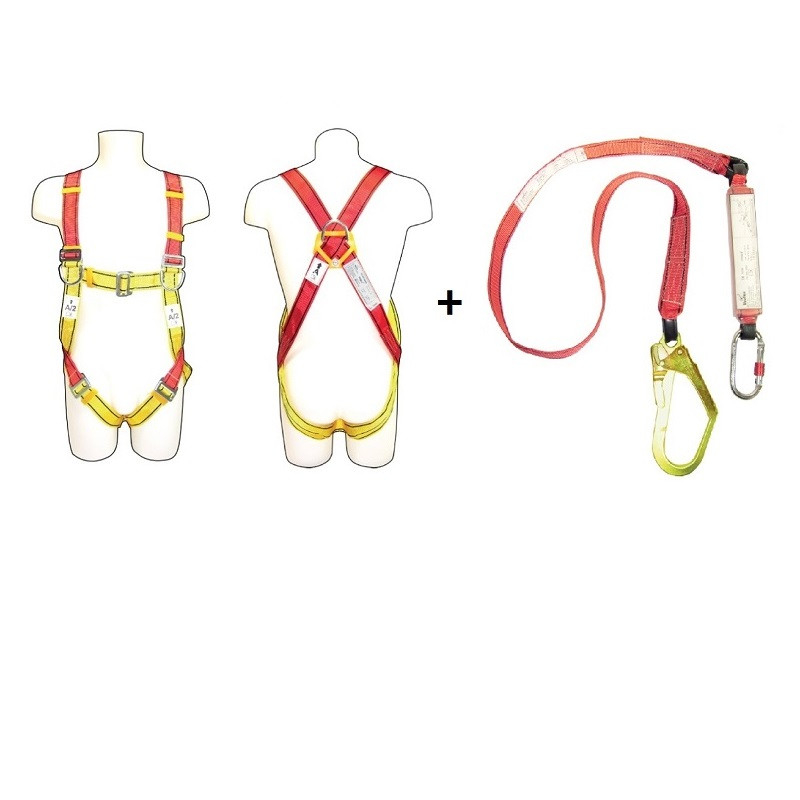
The Importance of Full Body Harness with Shock Absorber for Safety
When it comes to working at heights or in hazardous environments, safety should always be the top priority. One crucial piece of safety equipment that is essential in such situations is a full body harness with a shock absorber.
A full body harness is designed to distribute the impact of a fall throughout the entire body, reducing the risk of serious injury. The addition of a shock absorber further enhances this protection by reducing the forces exerted on the body during a fall.
Here are some key reasons why using a full body harness with a shock absorber is important:
- Fall Protection: In the event of a fall, a full body harness with a shock absorber can significantly reduce the impact on the body, preventing serious injuries.
- Comfort and Support: These harnesses are designed to provide comfort and support for the wearer, allowing them to work safely and efficiently at heights or in challenging environments.
- Compliance with Safety Regulations: Many industries have strict safety regulations that require workers to use appropriate fall protection equipment, including full body harnesses with shock absorbers.
- Piece of Mind: By using proper safety equipment like a full body harness with a shock absorber, workers can have peace of mind knowing that they are well-protected in case of an accident.
In conclusion, investing in high-quality safety equipment such as a full body harness with a shock absorber is essential for anyone working at heights or in risky environments. Prioritising safety not only protects individuals from harm but also ensures compliance with industry regulations and promotes a culture of safety in the workplace.
Comprehensive Guide to Full Body Harnesses with Shock Absorbers: Top 9 FAQs Answered
- What is a full body harness with shock absorber used for?
- How does a shock absorber in a harness work?
- When should I use a full body harness with a shock absorber?
- What are the safety standards for full body harnesses with shock absorbers?
- How do I properly fit and adjust a full body harness?
- Can I use any lanyard with my full body harness?
- How often should a full body harness be inspected or replaced?
- What materials are commonly used in making full body harnesses and their components?
- Are there weight limits for using a full body harness with shock absorber?
What is a full body harness with shock absorber used for?
A full body harness with a shock absorber is primarily used as a crucial safety tool in environments where there is a risk of falls or impacts. This specialised equipment is designed to provide maximum protection to individuals working at heights or in hazardous conditions. The full body harness distributes the force of a fall across the entire body, while the shock absorber component further reduces the impact on the wearer, minimising the risk of serious injuries. By using a full body harness with a shock absorber, workers can feel confident and secure knowing that they have reliable fall protection gear that can potentially save lives in case of accidents.
How does a shock absorber in a harness work?
A shock absorber in a full body harness functions as a crucial safety component by mitigating the impact forces generated during a fall. When a fall occurs, the shock absorber in the harness deploys to absorb and dissipate the energy created, thereby reducing the strain on the wearer’s body. By extending the length of time over which deceleration occurs, the shock absorber helps to lessen the abruptness of the fall arrest, minimising the risk of injury. This innovative mechanism plays a vital role in enhancing overall safety for individuals working at heights or in hazardous environments, providing them with added protection and peace of mind.
When should I use a full body harness with a shock absorber?
When considering the use of a full body harness with a shock absorber, it is important to understand the circumstances in which this safety equipment should be employed. A full body harness with a shock absorber should be used whenever there is a risk of working at heights or in environments where falls could occur. This includes scenarios such as construction work, maintenance tasks on elevated structures, or any job that involves working above ground level. By wearing a full body harness with a shock absorber in these situations, individuals can significantly reduce the impact of a fall and minimise the risk of serious injury. Prioritising safety by using this equipment is essential to ensure the well-being and protection of workers in hazardous environments.
What are the safety standards for full body harnesses with shock absorbers?
When it comes to full body harnesses with shock absorbers, understanding the safety standards is crucial for ensuring proper protection in hazardous work environments. Safety standards for these harnesses are typically set by regulatory bodies such as the Health and Safety Executive (HSE) in the UK or organisations like the International Organization for Standardization (ISO). These standards outline specific requirements for design, construction, materials, testing procedures, and performance criteria that full body harnesses with shock absorbers must meet to ensure maximum safety and effectiveness. It is important for employers and workers to be aware of and comply with these safety standards to minimise risks and promote a safe working environment.
How do I properly fit and adjust a full body harness?
Properly fitting and adjusting a full body harness with a shock absorber is crucial to ensure maximum safety and effectiveness while working at heights or in hazardous environments. To achieve a secure fit, start by adjusting the straps to make sure the harness fits snugly but comfortably around your body. Check that all buckles are securely fastened and that there are no twists or tangles in the straps. The shoulder straps should be positioned correctly over your shoulders, and the leg loops should be snug but not too tight. Lastly, ensure that the shock absorber is properly attached and positioned to provide optimal protection in case of a fall. Regularly inspect and adjust your full body harness to maintain proper fit and functionality for your safety at all times.
Can I use any lanyard with my full body harness?
When it comes to using a full body harness with a shock absorber, it is crucial to ensure that the lanyard being used is compatible and appropriate for the harness. Not all lanyards are designed to work effectively with every type of harness, so it is important to follow the manufacturer’s guidelines and recommendations. Using an incompatible lanyard can compromise the safety features of the harness and increase the risk of injury in case of a fall. Therefore, it is advisable to always use a lanyard that is specifically approved for use with your full body harness to ensure maximum safety and protection while working at heights or in hazardous environments.
How often should a full body harness be inspected or replaced?
When it comes to ensuring the safety of individuals working at heights or in hazardous environments, the inspection and replacement of a full body harness with a shock absorber are crucial aspects. It is recommended that full body harnesses be inspected before each use to check for any signs of wear and tear, damage, or defects. Additionally, regular inspections should be conducted at least every six months by a qualified professional to ensure that the harness remains in good condition. If any issues are identified during these inspections, the harness should be replaced immediately to maintain optimal safety standards and protect the wearer from potential risks. Remember, regular inspections and timely replacements are key to ensuring the effectiveness and reliability of full body harnesses with shock absorbers.
What materials are commonly used in making full body harnesses and their components?
Full body harnesses and their components are typically constructed using a variety of durable and high-quality materials to ensure optimal safety and performance. Common materials used in making full body harnesses include strong nylon or polyester webbing for the straps, metal alloy or steel for the buckles and D-rings, and padding made from foam or other cushioning materials for added comfort during prolonged wear. The shock absorber component of the harness often incorporates specialized materials such as tear-resistant fabrics and energy-absorbing mechanisms to effectively reduce impact forces in the event of a fall. By combining these materials, manufacturers can create full body harnesses that meet stringent safety standards while providing users with reliable protection and comfort in challenging work environments.
Are there weight limits for using a full body harness with shock absorber?
When it comes to using a full body harness with a shock absorber, it is important to consider weight limits for optimal safety and effectiveness. Most manufacturers provide specific weight guidelines for their harnesses to ensure proper function and protection. Exceeding the recommended weight limit can compromise the harness’s ability to distribute impact forces in the event of a fall, potentially leading to increased risks of injury. Therefore, it is crucial for individuals to adhere to the weight limits specified by the manufacturer when using a full body harness with a shock absorber to maintain safety standards and minimise hazards while working at heights or in hazardous environments.