
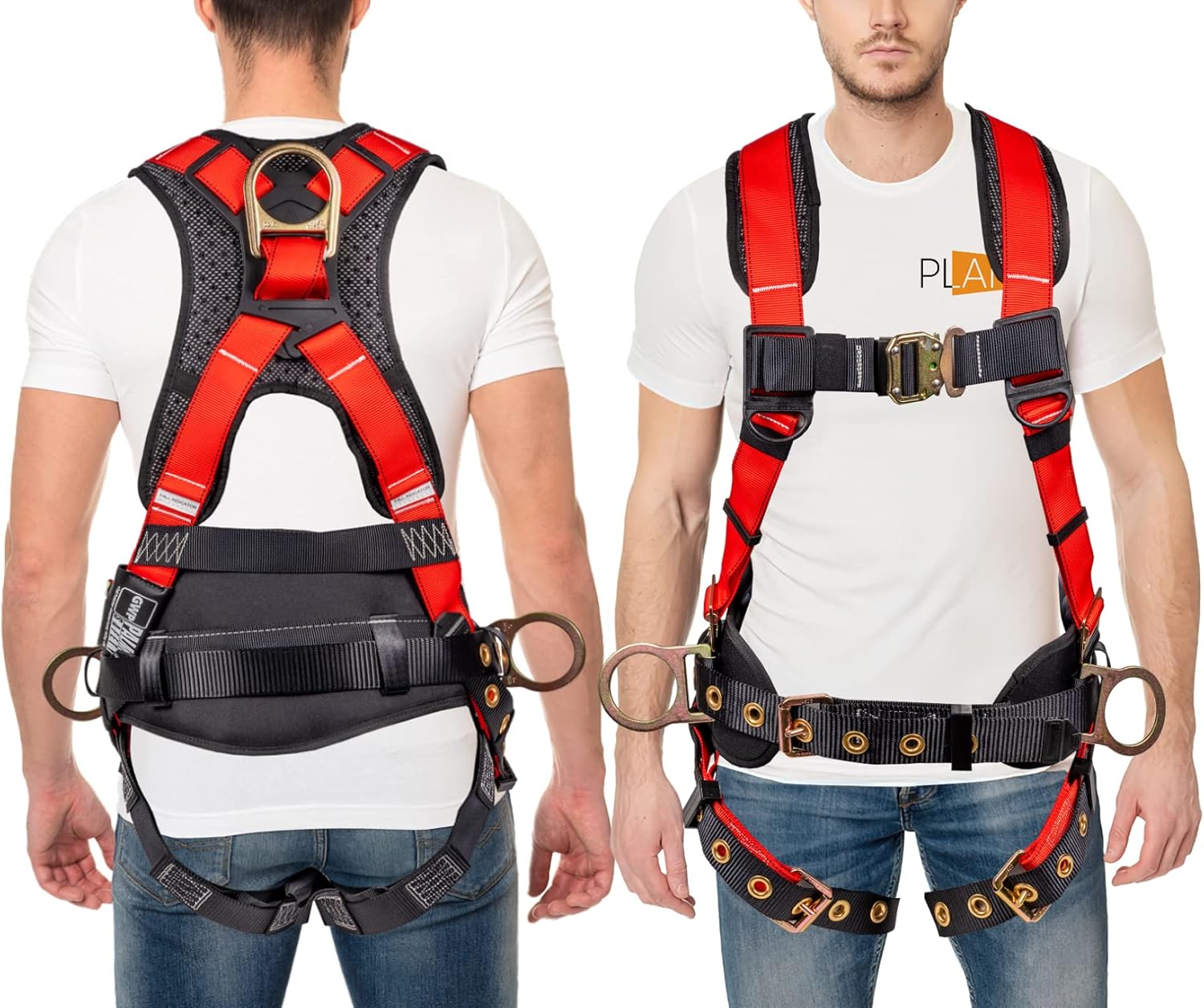
Exploring the Benefits of Full Body Harness in Rock Climbing
Rock climbing is an exhilarating outdoor activity that challenges both the body and mind. Whether you are a seasoned climber or a beginner looking to explore this adventurous sport, one essential piece of equipment that should never be overlooked is the full body harness.
A full body harness is a crucial safety gear designed to protect climbers in case of falls or slips during their ascent. Unlike traditional waist harnesses, a full body harness provides additional support by distributing the impact force across the climber’s entire body, reducing the risk of injuries, especially to the spine and pelvis.
One of the key benefits of using a full body harness in rock climbing is its enhanced safety features. By securing both the upper and lower parts of the body, climbers can feel more secure and confident while tackling challenging routes. This added security allows climbers to focus on their technique and enjoy the thrill of reaching new heights without worrying about potential accidents.
Furthermore, full body harnesses are particularly beneficial for beginners or those climbing in more exposed or risky environments. The extra support provided by a full body harness can give climbers peace of mind as they navigate difficult terrains or attempt daring climbs.
Additionally, full body harnesses are versatile and can be adjusted to fit different body shapes and sizes comfortably. This customisable feature ensures that climbers can move freely without restrictions while maintaining optimal safety levels throughout their climbing journey.
In conclusion, investing in a high-quality full body harness is essential for anyone venturing into rock climbing. Not only does it provide superior protection and support, but it also enhances overall safety measures, allowing climbers to push their limits with confidence and peace of mind.
Top 9 Benefits of Full Body Harnesses for Rock Climbers: Safety, Confidence, and Versatility
- Enhanced safety and protection during climbs
- Distributes impact force across the entire body, reducing risk of injuries
- Provides additional support for the spine and pelvis
- Boosts climber’s confidence on challenging routes
- Ideal for beginners or climbers in exposed environments
- Customisable fit for different body shapes and sizes
- Allows climbers to focus on technique without safety concerns
- Versatile and suitable for various climbing styles
- Peace of mind while tackling difficult terrains or daring climbs
Challenges of Full Body Harnesses in Rock Climbing: Weighing the Cons
- Full body harnesses can be bulkier and heavier than waist harnesses, which may feel restrictive or uncomfortable for some climbers.
- They can be more expensive than traditional waist harnesses, making them less accessible to budget-conscious climbers.
- Putting on and adjusting a full body harness may take more time and effort compared to waist harnesses, potentially slowing down the climbing process.
- Some climbers may find full body harnesses less breathable or more insulating, leading to discomfort during climbs in hot weather.
- The additional straps and buckles on a full body harness can sometimes get in the way or cause tangling issues while climbing complex routes.
- Full body harnesses may limit mobility or flexibility for certain climbing techniques that require a wider range of motion in the upper body.
- In situations where quick movements are crucial, such as dynamic climbing or bouldering, the extra material of a full body harness could impede agility.
Enhanced safety and protection during climbs
Enhanced safety and protection during climbs is a paramount advantage of using a full body harness in rock climbing. By securely fastening both the upper and lower body, climbers are provided with comprehensive support that minimises the risk of injuries in case of falls or slips. This added layer of protection instils confidence in climbers, allowing them to focus on their ascent without fear, ultimately creating a safer and more secure climbing experience for enthusiasts of all levels.
Distributes impact force across the entire body, reducing risk of injuries
One significant advantage of using a full body harness in rock climbing is its ability to distribute the impact force evenly across the climber’s entire body. By spreading the force of a fall or slip, the full body harness helps to minimise the risk of specific injuries, particularly to sensitive areas such as the spine and pelvis. This feature not only enhances the climber’s safety but also provides added reassurance and confidence, allowing climbers to focus on their ascent without undue worry about potential injuries from sudden impacts.
Provides additional support for the spine and pelvis
One significant advantage of using a full body harness in rock climbing is its ability to provide additional support for the spine and pelvis. Unlike traditional waist harnesses, full body harnesses distribute the impact force across the climber’s entire body, reducing the risk of injuries to critical areas such as the spine and pelvis. This added support not only enhances safety during climbs but also offers climbers a sense of security and stability, allowing them to focus on their ascent with confidence and peace of mind.
Boosts climber’s confidence on challenging routes
Using a full body harness in rock climbing can significantly boost a climber’s confidence when tackling challenging routes. The added security and support provided by the harness allow climbers to feel more stable and reassured as they navigate difficult terrains or attempt daring climbs. Knowing that they are securely strapped into a full body harness can give climbers the peace of mind they need to focus on their technique and enjoy the thrill of conquering new heights without fear of potential accidents.
Ideal for beginners or climbers in exposed environments
Full body harnesses offer a significant advantage for beginners or climbers exploring exposed environments. The comprehensive support provided by a full body harness ensures that individuals, especially those new to the sport or facing challenging terrains, feel secure and protected throughout their climbing experience. This added level of safety and confidence allows beginners to focus on developing their skills and technique without worrying about potential risks, making the full body harness an essential piece of equipment for anyone embarking on their rock climbing journey in more demanding settings.
Customisable fit for different body shapes and sizes
One notable advantage of using a full body harness in rock climbing is its ability to offer a customisable fit for individuals with varying body shapes and sizes. This feature ensures that climbers can adjust the harness to suit their unique proportions comfortably, allowing for a secure and snug fit during their ascent. By accommodating different body types, the full body harness promotes inclusivity and ensures that all climbers can enjoy the benefits of enhanced safety and support while exploring challenging terrains.
Allows climbers to focus on technique without safety concerns
The use of a full body harness in rock climbing enables climbers to concentrate on refining their technique and mastering challenging routes without being preoccupied by safety concerns. By providing comprehensive support and security, the harness instills a sense of confidence in climbers, allowing them to fully immerse themselves in the climbing experience. This freedom from worrying about potential falls or injuries empowers climbers to push their limits, explore new techniques, and enjoy the thrill of reaching greater heights with a clear focus on honing their skills.
Versatile and suitable for various climbing styles
A significant advantage of using a full body harness in rock climbing is its versatility and suitability for various climbing styles. Whether tackling challenging overhangs, vertical walls, or multi-pitch routes, a full body harness offers the flexibility and support needed to adapt to different climbing techniques and terrains. Its adjustable features ensure a comfortable fit for climbers of all shapes and sizes, allowing them to move freely and confidently while maintaining optimal safety levels throughout their climbing adventures.
Peace of mind while tackling difficult terrains or daring climbs
The use of a full body harness in rock climbing offers climbers a valuable sense of peace of mind when navigating challenging terrains or attempting daring climbs. With the added security and support provided by the harness, climbers can focus on their technique and the thrill of the climb without being preoccupied by the fear of potential accidents. This peace of mind allows climbers to push their limits, explore new heights, and take on more adventurous routes with confidence, knowing that they have an extra layer of protection in place to keep them safe.
Full body harnesses can be bulkier and heavier than waist harnesses, which may feel restrictive or uncomfortable for some climbers.
Full body harnesses in rock climbing can present a significant drawback due to their bulkier and heavier nature compared to waist harnesses. This added weight and size may feel restrictive or uncomfortable for some climbers, impacting their freedom of movement and overall climbing experience. Climbers who prefer a more lightweight and streamlined gear setup may find full body harnesses cumbersome and less conducive to fluid movements while navigating challenging routes. The discomfort caused by the bulkiness of full body harnesses can potentially hinder climbers’ performance and agility, highlighting the importance of finding the right balance between safety and comfort in choosing climbing equipment.
They can be more expensive than traditional waist harnesses, making them less accessible to budget-conscious climbers.
For budget-conscious climbers, one significant drawback of full body harnesses in rock climbing is their higher cost compared to traditional waist harnesses. The premium price tag of full body harnesses can pose a financial barrier for climbers looking to invest in safety gear while sticking to a limited budget. This expense may make full body harnesses less accessible to some climbers, potentially limiting their ability to benefit from the added safety features and support that these harnesses provide during their climbing adventures.
Putting on and adjusting a full body harness may take more time and effort compared to waist harnesses, potentially slowing down the climbing process.
One notable drawback of using a full body harness in rock climbing is the time and effort required to put it on and adjust it properly. Unlike waist harnesses, which are relatively quick and straightforward to don, full body harnesses demand more attention to ensure a secure fit across the entire body. This process can be time-consuming, especially for climbers eager to start their ascent promptly. The additional steps involved in adjusting a full body harness may lead to delays and interruptions in the climbing process, potentially affecting the flow and pace of the climb.
Some climbers may find full body harnesses less breathable or more insulating, leading to discomfort during climbs in hot weather.
During climbs in hot weather, some climbers may find full body harnesses to be less breathable or more insulating, which can lead to discomfort. The added coverage and padding of a full body harness, while essential for safety, can trap heat and restrict airflow, causing climbers to feel overheated and sweaty. This discomfort may distract climbers from focusing on their technique and performance, impacting their overall climbing experience. It is important for climbers to consider the weather conditions and choose appropriate gear that balances safety with comfort to ensure an enjoyable climbing session.
The additional straps and buckles on a full body harness can sometimes get in the way or cause tangling issues while climbing complex routes.
When it comes to full body harnesses in rock climbing, a notable drawback is the potential for the additional straps and buckles to become hindrances during climbs on intricate routes. These extra components, meant to enhance safety, may inadvertently lead to tangling issues or get in the way of smooth movements, especially when navigating challenging terrains or making precise maneuvers. Climbers may find themselves needing to adjust or untangle these straps, which can disrupt their focus and flow, posing a practical challenge that needs to be considered when choosing gear for more complex climbing routes.
Full body harnesses may limit mobility or flexibility for certain climbing techniques that require a wider range of motion in the upper body.
Full body harnesses, while offering enhanced safety and support in rock climbing, come with the con of potentially limiting mobility or flexibility for climbers performing certain techniques that demand a wider range of motion in the upper body. Climbing manoeuvres that require intricate movements or reaching for distant holds may be hindered by the full body harness, restricting the climber’s ability to execute these actions with ease and agility. As a result, climbers may find themselves facing challenges in executing advanced climbing techniques that rely heavily on upper body flexibility and freedom of movement.
In situations where quick movements are crucial, such as dynamic climbing or bouldering, the extra material of a full body harness could impede agility.
In scenarios where swift and dynamic movements are paramount, such as in dynamic climbing or bouldering, the downside of using a full body harness becomes apparent. The additional material and coverage of a full body harness may restrict the agility and freedom of movement required for quick and fluid manoeuvres. Climbers engaging in fast-paced activities may find that the bulkiness of a full body harness hinders their ability to execute rapid movements with precision and efficiency, potentially impacting their performance and overall experience during such demanding climbing situations.