
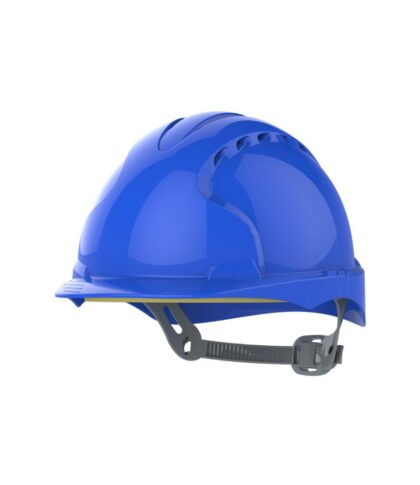
The Importance of Head Protection Helmets
Head protection helmets are essential safety gear designed to safeguard individuals from head injuries in various activities and industries. Whether you’re cycling, skiing, working in construction, or engaging in any high-risk sport or occupation, wearing a head protection helmet can significantly reduce the risk of severe head trauma.
One of the primary functions of a head protection helmet is to absorb and dissipate the impact energy generated during a fall or collision. The outer shell of the helmet acts as a first line of defense by spreading the force over a larger area, while the inner liner absorbs and reduces the impact on the skull and brain.
For cyclists, wearing a helmet can mean the difference between a minor bump and a life-threatening head injury in the event of an accident. Studies have shown that wearing a properly fitted helmet can reduce the risk of head injury by up to 70% and the risk of fatal injury by up to 65%.
In industrial settings such as construction sites or factories, head protection helmets are mandatory to protect workers from falling objects, electrical hazards, or impacts from machinery. These helmets are often equipped with additional features such as chin straps, adjustable suspension systems, and ventilation channels for comfort and safety.
It’s crucial to choose a head protection helmet that meets safety standards specific to your activity or industry. Look for helmets that comply with regulations such as EN 397 for industrial use or EN 1078 for cycling helmets. Regularly inspect your helmet for signs of wear and tear, and replace it if it has been subjected to a significant impact.
Remember, wearing a head protection helmet is not just about following rules or regulations – it’s about prioritising your safety and well-being. By investing in a quality helmet and making it a habit to wear it whenever necessary, you are taking proactive steps to protect yourself from potentially life-altering head injuries.
Stay safe, stay protected – wear your head protection helmet!
Common Questions About Head Protection Helmets: Legalities, Types, and Safety Features
- Are open-face helmets legal in the UK?
- What does head protection protect from?
- What are the different types of head protection helmets?
- What is the 2 2 2 rule when fitting a helmet on your head?
- What is the most protective helmet?
- Does helmet protect your head?
- Is there a helmet for autism head banging?
- What are the three types of head protection?
Are open-face helmets legal in the UK?
In the UK, open-face helmets are legal for use on the roads as long as they meet the necessary safety standards. Open-face helmets provide protection to the top and sides of the head but do not have a chin bar like full-face helmets. While some riders prefer the style and visibility offered by open-face helmets, it’s important to ensure that they comply with British safety regulations, such as BS 6658:1985 or ECE 22.05 standards. Riders should always check with relevant authorities or organisations to confirm the legality and safety requirements of open-face helmets before using them on UK roads.
What does head protection protect from?
Head protection helmets serve as a crucial safeguard against a range of potential hazards and dangers. They provide protection from head injuries resulting from impacts, falls, collisions, or falling objects in various activities and industries. By absorbing and dissipating impact energy, head protection helmets help reduce the risk of severe head trauma, skull fractures, brain injuries, and even fatal outcomes. Whether in sports, construction sites, industrial settings, or recreational activities like cycling or skiing, wearing a head protection helmet is essential to minimise the impact of unforeseen accidents and ensure the safety and well-being of individuals.
What are the different types of head protection helmets?
There are various types of head protection helmets designed to cater to different activities and industries. Common types include safety helmets for construction workers, which offer protection against falling objects and impacts; cycling helmets, which are aerodynamic and lightweight for enhanced comfort and safety on the road; sports helmets, tailored for specific sports like skiing, snowboarding, or motorcycling to provide impact resistance and cushioning; and industrial helmets with features such as chin straps and adjustable suspension systems for optimal protection in hazardous work environments. Choosing the right type of head protection helmet based on your activity or industry is crucial to ensure maximum safety and effectiveness.
What is the 2 2 2 rule when fitting a helmet on your head?
When fitting a helmet on your head, the 2 2 2 rule serves as a helpful guideline to ensure proper fit and optimal protection. The rule involves checking three key aspects: position, snugness, and stability. Firstly, position the helmet so that it sits no more than two finger-widths above your eyebrows to protect the forehead adequately. Secondly, adjust the straps snugly under your chin with no more than two fingers’ space between the strap and your chin to prevent the helmet from shifting during impact. Lastly, ensure the helmet remains stable on your head without excessive movement or tilting by performing a simple shake test. Adhering to the 2 2 2 rule can help maximise the effectiveness of your head protection helmet in safeguarding you against potential head injuries.
What is the most protective helmet?
When it comes to head protection helmets, the most protective helmet is one that meets the highest safety standards and is specifically designed for the intended activity or industry. The level of protection offered by a helmet depends on various factors, including its construction materials, impact-absorbing capabilities, fit, and certification. Helmets that are certified to standards such as EN 14052 for industrial head protection or EN 1078 for cycling helmets are considered to provide a high level of protection. It’s essential to choose a helmet that fits properly, is in good condition, and is suitable for the specific risks associated with your activity to ensure maximum protection for your head.
Does helmet protect your head?
Wearing a head protection helmet is crucial for safeguarding your head from potential injuries. Helmets are specifically designed to absorb and dissipate impact energy, reducing the force that reaches your skull and brain in case of a fall or collision. Studies have shown that wearing a properly fitted helmet can significantly decrease the risk of head injuries and even fatal outcomes. By wearing a helmet, you are taking proactive steps to protect your head and minimise the impact of accidents or unexpected events. Remember, prioritising safety by wearing a helmet can make a significant difference in keeping you safe and protected in various activities and industries.
Is there a helmet for autism head banging?
When it comes to addressing concerns about head protection for individuals with autism who engage in head banging behaviour, there are specialised helmets available that can provide a level of protection. These helmets are designed to offer cushioning and impact absorption to reduce the risk of injury during head-banging episodes. It’s important to consult with healthcare professionals and specialists to determine the most suitable helmet for each individual’s specific needs and behaviours. The safety and well-being of individuals with autism should always be a top priority, and utilising appropriate protective gear can help mitigate potential risks associated with head banging.
What are the three types of head protection?
When it comes to head protection, there are three main types of headgear commonly used to safeguard individuals in different settings. The first type is the hard hat, primarily worn in construction and industrial environments to protect against falling objects and impacts. The second type is the cycling helmet, designed for cyclists to reduce the risk of head injuries in the event of accidents or falls. Lastly, we have sports helmets, which are tailored for specific activities such as skiing, snowboarding, or motorcycling, providing essential protection during high-impact sports. Each type of head protection serves a unique purpose and plays a crucial role in ensuring safety and preventing head injuries in various situations.