
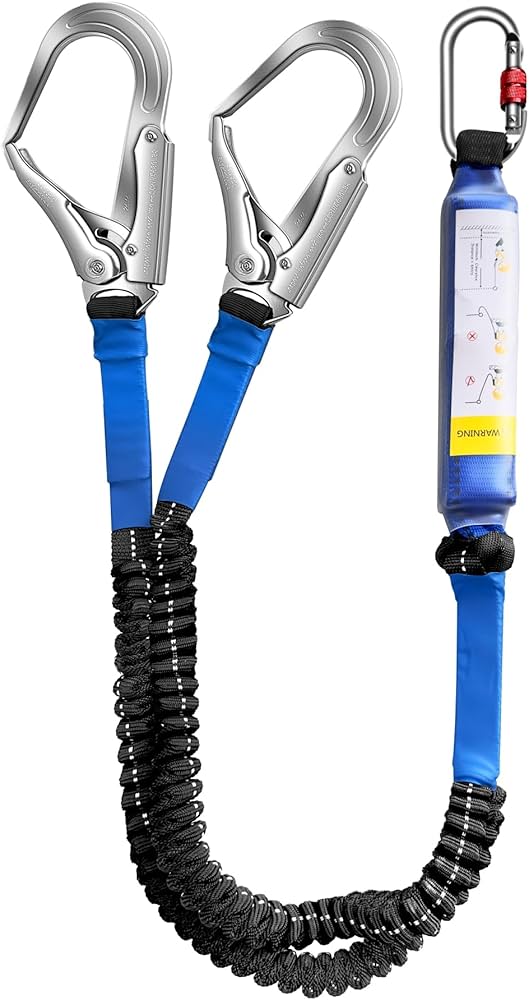
Short Lanyard for Safety Harness: Enhancing Workplace Safety
In industries where working at heights is a common occurrence, safety harnesses are essential equipment to prevent falls and protect workers. A crucial component of a safety harness is the lanyard, which connects the harness to an anchorage point. While standard lanyards are effective, short lanyards offer unique benefits that can further enhance workplace safety.
Improved Fall Arrest
A shorter lanyard reduces the length of free fall in the event of a fall, limiting the distance a worker can drop before the fall arrest system engages. This can significantly reduce the impact force on the body and lessen the risk of injury. Short lanyards are particularly beneficial in confined spaces or areas with limited clearance where longer lanyards may not be suitable.
Enhanced Mobility and Maneuverability
Shorter lanyards provide greater freedom of movement for workers, allowing them to navigate work areas more easily without excess slack getting in their way. This increased mobility can improve productivity and efficiency while maintaining a high level of safety during tasks performed at height.
Reduced Risk of Snagging and Tangling
Longer lanyards have a higher tendency to snag on protruding objects or become tangled, posing tripping hazards or impeding movement. Short lanyards help minimise these risks by keeping excess material to a minimum, reducing the likelihood of entanglement and allowing for smoother operations in challenging work environments.
Customisation and Adaptability
Short lanyards can be customised to suit specific job requirements or preferences. They are available in various lengths and configurations, including adjustable options that allow workers to adapt the length based on their needs. This versatility ensures that workers have the right equipment for their tasks while maintaining optimal safety standards.
Conclusion
The use of short lanyards in conjunction with safety harnesses is a practical way to enhance workplace safety for individuals working at heights. By providing improved fall arrest capabilities, enhanced mobility, reduced risk of snagging, and customisation options, short lanyards play a vital role in mitigating risks and promoting safe practices in high-risk environments.
Essential Safety Tips for Using Short Lanyards with Harnesses
- Ensure the lanyard is the correct length for the task at hand.
- Regularly inspect the lanyard for any signs of wear or damage.
- Always attach the lanyard to a secure anchorage point.
- Avoid twisting or knotting the lanyard as it may weaken its strength.
- Train employees on how to properly use and maintain their lanyards.
- Replace any lanyards that show signs of wear or damage immediately.
- Store lanyards in a clean, dry place away from direct sunlight when not in use.
- Follow manufacturer’s guidelines and recommendations for proper use.
Ensure the lanyard is the correct length for the task at hand.
To maximise safety and efficiency when using a short lanyard for a safety harness, it is crucial to ensure that the lanyard is the correct length for the specific task being undertaken. Choosing the appropriate lanyard length based on the work environment and requirements can help prevent accidents and improve overall work performance. By selecting a lanyard that is neither too long nor too short, workers can maintain proper fall arrest capabilities, manoeuvrability, and comfort while minimising risks associated with entanglement or restricted movement. Prioritising the correct length of the lanyard is a simple yet essential step in promoting workplace safety and ensuring that workers can carry out their tasks securely and effectively.
Regularly inspect the lanyard for any signs of wear or damage.
Regularly inspecting the lanyard for any signs of wear or damage is a crucial safety tip when using a short lanyard for a safety harness. By conducting routine checks, workers can identify potential issues such as fraying, cuts, or weakened areas that may compromise the lanyard’s integrity. This proactive approach ensures that the lanyard remains in optimal condition and can effectively perform its fall arrest function when needed, ultimately safeguarding the user against risks of injury due to equipment failure.
Always attach the lanyard to a secure anchorage point.
It is essential to always attach the lanyard of a safety harness to a secure anchorage point. By ensuring that the lanyard is properly connected to a stable and reliable anchor, workers can significantly reduce the risk of falls and potential injuries while working at heights. A secure anchorage point provides the necessary support to activate the fall arrest system effectively, enhancing overall safety and protection for individuals wearing safety harnesses. This simple yet crucial precaution plays a vital role in maintaining a safe working environment and preventing accidents in high-risk scenarios.
Avoid twisting or knotting the lanyard as it may weaken its strength.
It is crucial to avoid twisting or knotting the lanyard of a safety harness, as doing so can compromise its strength and integrity. Twisting or knotting the lanyard may create weak points or cause damage to the material, reducing its effectiveness in the event of a fall. To ensure optimal safety while working at heights, it is important to inspect the lanyard regularly for any signs of wear and tear and to handle it with care to maintain its strength and reliability.
Train employees on how to properly use and maintain their lanyards.
It is essential to train employees on the correct usage and maintenance of their short lanyards for safety harnesses. Proper training ensures that workers understand how to securely attach the lanyard to the harness and anchorage point, as well as how to adjust its length for optimal safety. Additionally, educating employees on regular inspection and maintenance practices, such as checking for wear and tear or damage, can help prolong the lifespan of the lanyards and ensure they function effectively when needed. By providing comprehensive training on lanyard usage and upkeep, employers can empower their workforce to work safely at heights and minimise potential risks in the workplace.
Replace any lanyards that show signs of wear or damage immediately.
It is crucial to prioritise safety in the workplace, especially when it comes to equipment like safety harness lanyards. One important tip is to regularly inspect lanyards for any signs of wear or damage, and if any issues are detected, they should be replaced immediately. A damaged lanyard compromises its effectiveness and puts the user at risk in the event of a fall. By promptly replacing worn or damaged lanyards, you can ensure that workers are equipped with reliable safety gear that provides optimal protection when working at heights.
Store lanyards in a clean, dry place away from direct sunlight when not in use.
To maintain the effectiveness and longevity of short lanyards for safety harnesses, it is important to store them in a clean, dry location away from direct sunlight when not in use. By storing lanyards properly, you can help prevent damage from moisture, dirt, or UV exposure, ensuring that the equipment remains in optimal condition for when it is needed. Proper storage practices contribute to the overall safety and reliability of the lanyards, supporting a safe working environment for individuals at height.
Follow manufacturer’s guidelines and recommendations for proper use.
It is essential to adhere to the manufacturer’s guidelines and recommendations when using a short lanyard with a safety harness. Following these instructions ensures that the equipment is used correctly and optimally, enhancing its effectiveness in preventing falls and protecting workers at height. By following the manufacturer’s guidance, individuals can maintain the integrity of the safety system, mitigate risks, and promote a safe working environment.