
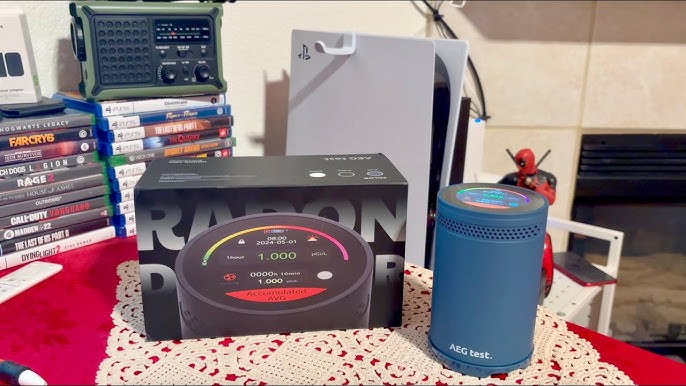
Carbon Monoxide and Radon Detector: Keeping Your Home Safe
Carbon monoxide and radon are invisible threats that can lurk in your home without you even knowing. Both gases are odourless, tasteless, and colourless, making them difficult to detect without the right tools. That’s where carbon monoxide and radon detectors come in.
Carbon Monoxide Detector
Carbon monoxide (CO) is a deadly gas produced by the incomplete combustion of fuels such as gas, oil, wood, and coal. Exposure to high levels of CO can lead to symptoms like headaches, dizziness, nausea, confusion, and even death. A carbon monoxide detector is designed to alert you when CO levels in your home reach dangerous levels.
It is crucial to install carbon monoxide detectors in key areas of your home, especially near bedrooms and fuel-burning appliances like boilers, stoves, and fireplaces. Regular maintenance and battery checks are essential to ensure that your detector is functioning properly at all times.
Radon Detector
Radon is a radioactive gas that occurs naturally in the soil and can seep into buildings through cracks in the foundation. Prolonged exposure to high levels of radon has been linked to an increased risk of lung cancer. A radon detector can measure the radon levels in your home and alert you if they exceed safe limits.
If you live in an area known for high radon levels or have a basement or lower level in your home, it is especially important to have a radon detector installed. Mitigation measures can be taken if elevated radon levels are detected to reduce the health risks associated with this gas.
Conclusion
Investing in carbon monoxide and radon detectors is a simple yet effective way to protect yourself and your family from these silent but deadly gases. By being proactive about monitoring indoor air quality, you can ensure a safer and healthier living environment for everyone in your home.
Essential Tips for Installing and Maintaining Carbon Monoxide and Radon Detectors in Your Home
- Install carbon monoxide and radon detectors on every level of your home.
- Place detectors in areas where these gases are likely to accumulate, such as near gas appliances or in basements.
- Regularly test the detectors to ensure they are functioning properly.
- Replace batteries according to the manufacturer’s instructions to keep the detectors working effectively.
- Learn the difference between alarm sounds for carbon monoxide and radon to respond appropriately in case of an emergency.
- Have a professional inspect your home for potential sources of carbon monoxide and radon leaks regularly.
- Educate your family members about the dangers of carbon monoxide and radon exposure and what to do if the detectors sound an alarm.
Install carbon monoxide and radon detectors on every level of your home.
To enhance the safety of your home, it is advisable to install carbon monoxide and radon detectors on every level of your property. By placing these detectors strategically throughout your home, you can effectively monitor the presence of these harmful gases and receive timely alerts if dangerous levels are detected. This proactive measure ensures comprehensive coverage and protection for you and your loved ones, helping to create a secure living environment free from the risks associated with carbon monoxide and radon exposure.
Place detectors in areas where these gases are likely to accumulate, such as near gas appliances or in basements.
To enhance the effectiveness of carbon monoxide and radon detectors, it is essential to strategically place them in areas where these gases are most likely to accumulate. Installing detectors near gas appliances, such as boilers, stoves, and fireplaces, can provide early warnings of potential carbon monoxide leaks. Additionally, placing detectors in basements or lower levels of the home is crucial for detecting any radon seepage from the soil. By positioning detectors in these key locations, homeowners can proactively monitor indoor air quality and take necessary precautions to ensure a safe living environment for themselves and their families.
Regularly test the detectors to ensure they are functioning properly.
It is essential to regularly test your carbon monoxide and radon detectors to ensure they are functioning properly. By conducting routine tests, you can verify that the detectors are operational and able to alert you in case of dangerous gas levels. This simple yet crucial maintenance task can provide peace of mind and help safeguard your home and loved ones from the potential risks associated with carbon monoxide and radon exposure.
Replace batteries according to the manufacturer’s instructions to keep the detectors working effectively.
To ensure that your carbon monoxide and radon detectors continue to function effectively, it is crucial to replace the batteries in accordance with the manufacturer’s instructions. Regularly changing the batteries as recommended by the manufacturer will help guarantee that your detectors remain in optimal working condition, providing you with accurate and reliable monitoring of these potentially harmful gases in your home. By following the manufacturer’s guidelines for battery replacement, you can maintain the safety and efficiency of your detectors, offering you peace of mind and protection against unseen dangers.
Learn the difference between alarm sounds for carbon monoxide and radon to respond appropriately in case of an emergency.
It is essential to learn the distinction between the alarm sounds for carbon monoxide and radon detectors to respond effectively in case of an emergency. Understanding the unique alerts emitted by each detector can help you take swift and appropriate action to safeguard yourself and your loved ones. By being able to differentiate between the two signals, you can ensure a prompt response in the event of elevated levels of either gas, enhancing your ability to address potential threats and protect your home environment.
Have a professional inspect your home for potential sources of carbon monoxide and radon leaks regularly.
It is highly recommended to have a professional inspect your home regularly for potential sources of carbon monoxide and radon leaks. These invisible gases can pose serious health risks if undetected, making routine inspections crucial for maintaining a safe living environment. By having experts assess your home for possible sources of CO and radon, you can identify and address any issues promptly, ensuring the well-being of you and your family. Regular inspections provide peace of mind and proactive measures to mitigate the risks associated with these harmful gases.
Educate your family members about the dangers of carbon monoxide and radon exposure and what to do if the detectors sound an alarm.
It is crucial to educate your family members about the potential dangers of carbon monoxide and radon exposure in the home. Make sure they understand the symptoms of exposure and the importance of having detectors installed. Discuss what actions to take if the detectors sound an alarm, such as immediately ventilating the area, evacuating the premises, and seeking medical attention if necessary. By raising awareness and being prepared, you can empower your loved ones to respond swiftly and effectively in case of an emergency related to carbon monoxide or radon gas.